TL;DR:
- Drapery return is the fabric that wraps from the curtain rod back to the wall, creating a clean edge. Its measurement influences light control, pleat alignment, and hardware concealment, making it a foundational detail. Accurate measurement prevents gaps, bulging, and uneven pleats, ensuring a polished window treatment.
Drapery return is defined as the portion of a curtain panel that wraps from the end of the rod back to the wall surface, creating a clean, finished edge. This measurement determines how tightly your curtains sit against the wall and directly affects both light control and visual polish. Understanding what is drapery return, and getting it right, separates a tailored window treatment from one that looks unfinished. Professional workrooms treat the return as a foundational measurement, not an afterthought. The standard industry term you will encounter is “return,” and it applies specifically to pleated drapery panels hung on traverse or decorative rods.
What is drapery return and how do you measure it correctly?

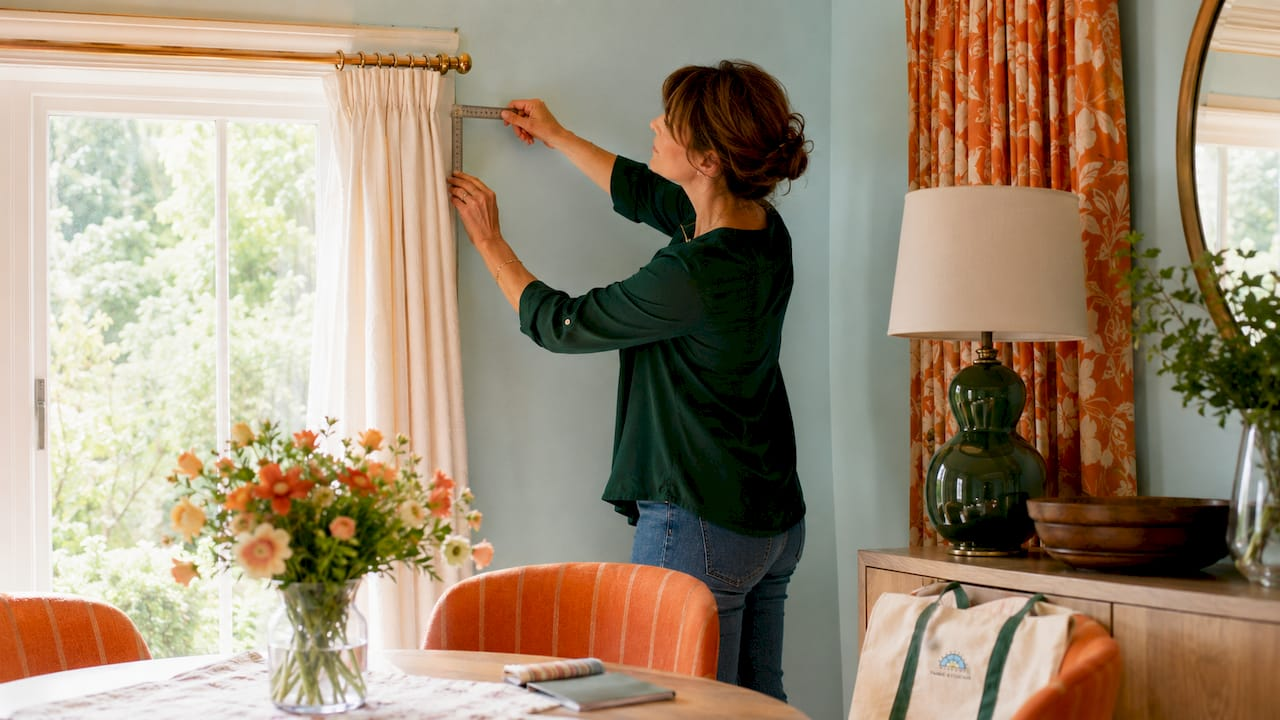
Measuring the drapery return correctly is the single most important step before ordering or cutting fabric. Return and overlap together determine how the panel meets the wall, eliminates light gaps, and ensures professional closure of drapery panels. A wrong measurement by even half an inch produces visible gaps or distorted pleats.
Follow these steps to measure accurately:
- Mount your rod or track first. Never measure a return before the hardware is installed. The bracket projection changes the return distance.
- Measure from the front face of the rod or ring to the wall surface. Hold your tape measure flat and parallel to the floor for an accurate reading.
- Add 0.5 inch to that raw measurement. Professional workrooms recommend adding 0.5 inches to accommodate fabric bulk so the panel edge sits cleanly against the wall without bowing.
- Adjust for lining weight. Adding heavy lining or interlining fabric requires increasing the return by approximately a quarter inch to keep the edge flat and the pleats aligned.
- Record both sides separately. Wall surfaces are rarely perfectly even. Measure the return on the left and right bracket independently.
The most common mistake homeowners make is skipping the 0.5-inch allowance. Without it, the fabric bunches at the edge or pulls away from the wall, exposing the lining and the bracket hardware.
Pro Tip: Use a rigid metal ruler rather than a flexible tape for the return measurement. Flexible tape can sag and give you a reading that is up to 0.25 inch shorter than the actual projection.
Why does drapery return matter for aesthetics and function?
A proper drapery return does more than look neat. It solves three real problems that affect how a room feels and functions every day.
- Light control. Without a return, curtains hang away from the wall and create light leaks at the edges. These gaps let in morning light even when the panels are fully closed, which defeats the purpose of a blackout or room-darkening treatment.
- Clean pleat alignment. The return anchors the last pleat in a vertical line. When the return is too short, the panel angles forward and the pleats fan out instead of hanging straight. When it is too long, the edges pull backward and the pleats compress unevenly.
- Concealed hardware. A correctly sized return wraps around the bracket and hides it from view. Standard single-layer returns measure approximately 3.5 inches on each side, which covers most standard bracket projections cleanly.
“Using a proper drapery return is foundational to creating formal window treatments with a professional and complete appearance. The return is what distinguishes a custom installation from a store-bought panel simply hung on a rod.”
The visual difference is significant. A panel with a correct return reads as intentional and tailored. A panel without one reads as temporary, regardless of how expensive the fabric is. For homeowners investing in quality textiles, getting the return right protects that investment. You can read more about selecting the right style in this guide to choosing drapery for your home.
What are the common drapery return styles?

Return styles vary based on rod type, fabric weight, and the level of formality you want. The table below outlines the most common options and their practical effects.
| Return style | Typical return length | Best use case | Key benefit |
|---|---|---|---|
| Standard single-layer | 3.5 inches | Formal pleated panels on decorative rods | Hides brackets, clean edge |
| French return | Varies with rod projection | Traverse rods, smooth operation needed | Fabric slides past brackets cleanly |
| Extended return | 4–6 inches | Deep bracket projections or layered treatments | Covers hardware on double rods |
| Minimal return | 1.5–2 inches | Casual or lightweight panels | Subtle finish, less formal look |
The French return style deserves special attention. French return rods are designed so the curtain slides smoothly past the brackets, allowing the fabric to wrap back to the wall without bunching. This style works particularly well in rooms where the drapes open and close daily, since the hardware does not interrupt the fabric’s path.
Drapery return length also affects how much fabric you see from the side of the room. A longer return creates a fuller, more substantial appearance when viewed at an angle. A shorter return looks lighter and less formal. The fabric choice reinforces this effect. Heavier textiles like jacquard satin or embroidered fabric benefit from a longer return because their weight pulls the panel straight. Lightweight sheers work well with a minimal return since they do not require the same structural anchoring.
Choosing the right return style also depends on your window treatment goals. Rooms designed for light control and privacy call for a standard or extended return. Spaces where you want a softer, more relaxed look can use a minimal return with a simple rod pocket or tab-top panel.
How does drapery return affect fabric usage and project planning?
Return fabric adds directly to the total fabric yardage required for a project. Planning for returns is necessary to avoid fabric shortages and produce a properly finished curtain. Many homeowners calculate panel width without accounting for the return, then find themselves short by a noticeable amount.
- Add the return to each panel’s cut width. A 3.5-inch return on each side adds 7 inches to the total width of a two-panel treatment. For a 96-inch-wide window, that is a meaningful addition.
- Account for returns in your fullness ratio. Standard drapery fullness runs at 2 to 2.5 times the window width. The return yardage sits outside that ratio and must be calculated separately.
- Order fabric samples before committing. Return sections are visible from the side and must match the face fabric in pattern and texture. A fabric that looks uniform from the front can show a noticeable pattern shift at the return if the repeat is not planned correctly.
- Communicate return dimensions to your workroom. Custom drapery makers need the exact return measurement to cut and pleat the panel correctly. Providing this number upfront prevents fitting issues after the panels are made.
The benefits of custom drapes include precise returns built into the panel from the start, which eliminates the guesswork that comes with adjusting ready-made curtains after the fact.
Pro Tip: When ordering fabric by the yard for a project with returns, add one extra yard per panel to your total. This buffer covers the return yardage and any cutting adjustments without requiring a second order.
Key Takeaways
A correct drapery return is the single measurement that separates a polished, professional window treatment from one that looks unfinished and leaks light.
| Point | Details |
|---|---|
| Drapery return definition | The fabric that wraps from the rod end back to the wall, creating a finished, gap-free edge. |
| Measuring accurately | Measure from the rod face to the wall, then add 0.5 inch for fabric bulk and clean edge alignment. |
| Aesthetic and functional value | Returns block light leaks, conceal hardware, and keep pleats hanging in a clean vertical line. |
| Style variations | Standard, French, extended, and minimal returns each suit different rod types and formality levels. |
| Fabric planning | Returns add to total yardage; calculate them separately from panel fullness to avoid shortfalls. |
What I have learned from years of watching returns get overlooked
The return is the detail that most homeowners skip, and it is the detail that professionals notice first. I have seen beautifully sourced fabric completely undermined by a return that was off by an inch. The panel angles forward, the lining peeks out, and the whole treatment looks like it was hung in a hurry.
The mistake I see most often in DIY installations is treating the return as optional. Homeowners assume that if the panel covers the window, the job is done. It is not. Accurate returns prevent common DIY problems like fabric floating away from the wall and visible hardware, both of which undercut the quality of any interior design effort.
My honest advice: measure the return before you order a single yard of fabric. The return measurement dictates the panel width, the yardage, and the pleat spacing. Getting it wrong at the start means reworking everything later. Getting it right means the finished treatment looks like it was made for that exact wall, because it was.
For homeowners who want a formal, tailored result, the return is not a small detail. It is the structural decision that holds the entire treatment together. Pair it with the right fabric weight and the right rod projection, and the window becomes the most finished element in the room.
— Marrion
Beautifulwindowselgin has the fabrics and expertise your returns deserve
Getting the return right starts with choosing the right fabric. Stiff or lightweight textiles behave differently at the return, and the wrong choice produces a panel that bows or collapses at the edge.

Beautifulwindowselgin carries a curated selection of designer drapery fabrics suited for formal pleated treatments, including jacquard satin, embroidered textiles, and structured upholstery-weight options sold by the yard. Each fabric is selected for its drape, weight, and finish quality. The custom drapery making service at Beautifulwindowselgin builds accurate returns into every panel from the cutting stage, so your measurements translate directly into a finished treatment. Fabric samples are available, and the team offers measurement guidance to help you get the return dimension right before ordering. Nationwide shipping means the right fabric reaches you wherever your project is located.
FAQ
What does drapery return mean in window treatments?
Drapery return is the distance the fabric travels from the end of the rod back to the wall surface. It creates a finished edge that blocks light and conceals hardware.
How long should a drapery return be?
Standard single-layer returns measure approximately 3.5 inches, which covers most standard bracket projections. Extended returns of 4–6 inches suit double rods or deep bracket hardware.
What happens if the drapery return is the wrong size?
If the return is too short, the panel angles forward and exposes the lining. If it is too long, the edges pull backward and distort the pleats.
Does drapery return fabric affect how much yardage I need?
Yes. Return fabric adds to the total cut width of each panel and must be calculated separately from the fullness ratio to avoid ordering too little fabric.
What is a French return on drapery?
A French return uses a specially designed rod that allows the curtain to slide smoothly past the brackets, so the fabric wraps cleanly back to the wall without bunching or gaps.
Recommended
- Drapery workrooms 2026: 6-8 week custom projects explained – Designer Fabrics by the Yard | Drapery Making Services
- Role of drapery fabrics: Cut noise by 70% & save energy – Designer Fabrics by the Yard | Drapery Making Services
- What is drapery fullness? The key to stylish windows – Fabric Store in Columbia, SC | Drapery Making Services
- Pro Drapery Consultations Cut Errors 50% & Boost Style – Shop Designer Fabrics by the Yard | Curtains & Drapery