TL;DR:
- Blackout curtain panels block nearly all outside light and provide insulation, noise reduction, and privacy benefits. Triple-weave panels last longer and feel softer than foam-backed options but cost more. Proper sizing and installation are essential to eliminate light leaks and maximize their benefits.
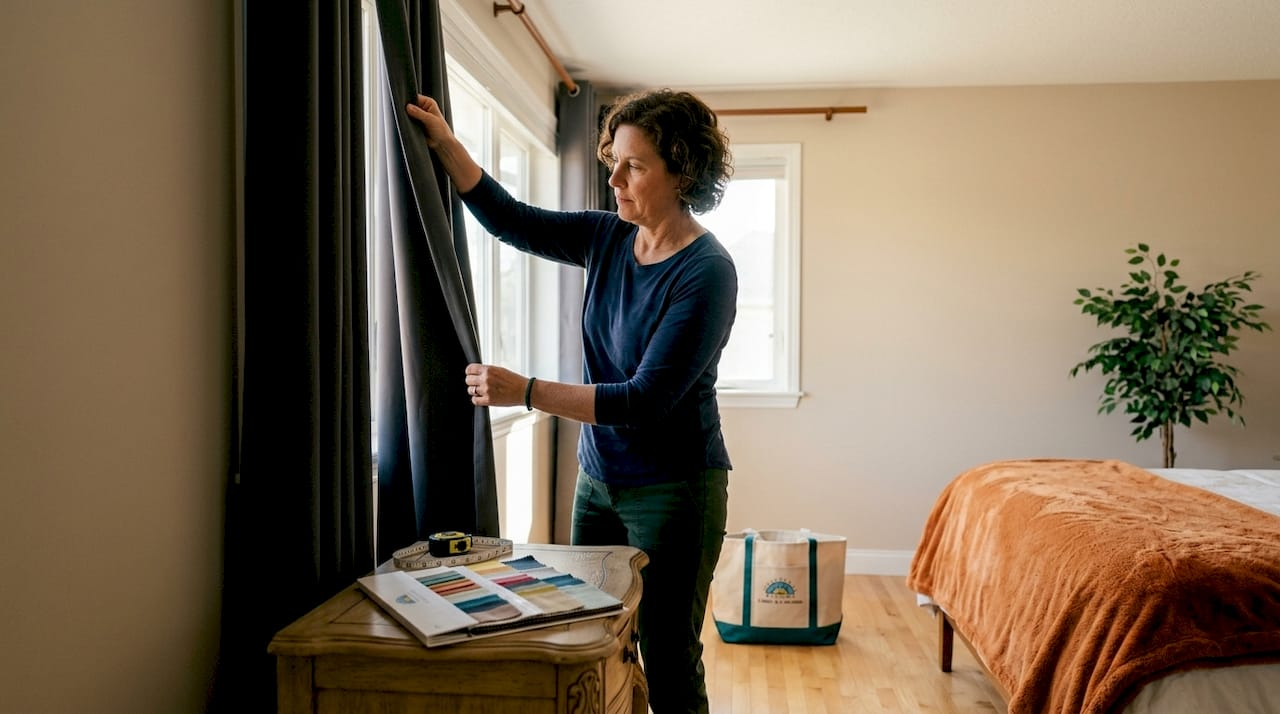
A blackout curtain panel is a specially designed window covering that blocks nearly all incoming light to create a dark, comfortable indoor environment. These panels use dense, multi-layered fabrics or opaque coatings to prevent light from passing through, while also delivering thermal insulation, noise reduction, and privacy benefits. Homeowners and renters rely on them most in bedrooms, nurseries, and media rooms where light control directly affects comfort and function. Understanding what a blackout curtain panel is, how it works, and which type suits your space helps you make a confident, well-informed purchase.
What is a blackout curtain panel and how does it work?
A blackout curtain panel works by using dense fabric construction or applied coatings to prevent light from passing through the weave. The result is a room that stays dark regardless of the time of day or the brightness outside. Three primary fabric technologies achieve this effect.

Foam-backed panels bond a layer of foam or rubber to the back of a decorative fabric. The foam fills the gaps in the weave and blocks light effectively. The drawback is durability. Budget foam-backed curtains can degrade within 3–5 years due to heat and repeated washing, causing the backing to crack and peel.
Triple-weave panels use a dense black yarn layer sandwiched between two decorative outer layers. This construction blocks light without coatings, which means the panel stays soft, drapes naturally, and holds up through regular laundering. Triple-weave panels typically last 7–10 years or more.
Coated or laminated panels apply a reflective or opaque layer directly to the fabric surface. These panels perform well for light blocking but can feel stiff and may not drape as elegantly as woven alternatives.
Beyond blocking light, dense blackout fabric also reduces external noise by as much as 10 decibels with proper installation. That reduction is meaningful in urban apartments or homes near busy roads.
Pro Tip: Even the most opaque panel loses effectiveness if light leaks around the edges. The fabric itself is only part of the solution. Installation method matters just as much as material choice.

Common limitations include light leaks at the sides, top, and center gap between two panels. These gaps appear when panels are hung too close to the window frame or when the rod does not extend far enough past the window edges.
What are the different types of blackout curtain panels?
Blackout curtain panels fall into three main categories based on their construction. Each type carries distinct trade-offs in durability, care, softness, and cost.
| Type | Lifespan | Care | Softness | Relative Cost |
|---|---|---|---|---|
| Foam-backed | 3–5 years | Hand wash or gentle cycle | Stiff | Lower |
| Triple-weave | 7–10+ years | Machine washable | Soft | Moderate to higher |
| Coated/laminated | 4–7 years | Spot clean or dry clean | Firm | Moderate |
Triple-weave panels represent the strongest value over time. Their durable woven construction resists the cracking and peeling that shortens the life of foam-backed options. They also feel more refined against the hand, which matters when panels hang in a bedroom or living area where tactile quality is visible daily.
Foam-backed panels appeal to budget-conscious homeowners who need a quick solution. They block light effectively when new, but the backing degrades faster than woven alternatives, especially in rooms with direct sun exposure or high humidity.
Coated panels sit in the middle. They perform reliably for light blocking and suit rooms where aesthetics are secondary to function, such as a home theater or a photography studio.
Key selection factors to weigh:
- Room use: Bedrooms and nurseries benefit most from triple-weave softness and longevity.
- Budget: Foam-backed panels cost less upfront but require earlier replacement.
- Maintenance: Triple-weave panels are the easiest to launder at home.
- Aesthetics: Woven panels drape more naturally and suit formal interiors.
What are the key benefits of blackout curtain panels beyond blocking light?
Blackout curtain panels deliver four measurable benefits beyond simple light control: improved sleep quality, energy savings, noise reduction, and enhanced privacy.
“Blocking street lamps and early morning light stabilizes circadian rhythms, supports melatonin production, and reduces nighttime awakenings, directly benefiting cognitive function and overall well-being.” — Health Benefits of Blackout Window Treatments
Sleep quality is the most documented benefit. Consistent darkness during sleep supports melatonin production and reduces awakenings. This matters especially for shift workers, parents of young children, and anyone living in a city with significant light pollution. The advantages for sleep extend to daytime nappers and anyone whose bedroom faces east.
Energy efficiency is the second major benefit. About 30% of residential heating energy is lost through windows. Blackout panels create a thermal barrier that limits heat escape in winter and blocks solar heat gain in summer. That barrier reduces the workload on your HVAC system and lowers utility bills year-round. The role of fabric in energy efficiency is substantial when panels are properly sized and installed.
Noise reduction is a third, often overlooked benefit. Dense blackout fabric dampens outside noise and improves acoustic comfort in living areas. The effect is most noticeable in rooms facing streets or neighbors.
Privacy rounds out the core benefits. Thick opaque fabric limits visibility from outside, particularly at night when interior lighting makes standard curtains translucent. Blackout panels eliminate that vulnerability entirely.
How to choose, measure, and install blackout curtain panels
Proper sizing and installation determine whether a blackout panel actually darkens a room or simply decorates a window. Follow these steps for optimal performance.
- Measure the window width. Panels should cover 1.5 to 2 times the window width. For a 36-inch window, that means panels spanning 54 to 72 inches total. This fullness creates the dense folds that block light and improve drape.
- Extend the rod beyond the frame. Mount the rod 3 to 6 inches wider on each side of the window. This extension reduces edge light leaks and allows panels to stack off the glass when open.
- Mount the rod high. Position the rod 4 to 6 inches above the window frame, or at ceiling height for a more formal look. Higher placement makes the room feel taller and eliminates the gap where light enters above the panel.
- Choose a wraparound rod or ceiling mount. These installation methods bring the panel fabric close to the wall, closing the gap between the rod and the window surface. Standard straight rods leave a channel of light along the top and sides.
- Overlap panels in the center. When using two panels, overlap them by 4 to 6 inches at the center. A single hook or clip at the overlap point holds them together and prevents the gap that lets in a strip of light.
Pro Tip: For a nursery or bedroom where total darkness is the goal, pair blackout panels with a blackout roller shade mounted inside the window frame. The shade covers the glass; the panels cover the frame gaps. Together, they eliminate virtually all light leakage.
The table below summarizes recommended specifications for common window sizes.
| Window width | Minimum panel coverage | Rod extension each side | Recommended rod height above frame |
|---|---|---|---|
| 24 inches | 36 inches | 3 inches | 4–6 inches |
| 36 inches | 54 inches | 4 inches | 4–6 inches |
| 48 inches | 72 inches | 5 inches | 4–6 inches |
| 60 inches | 90 inches | 6 inches | 4–6 inches |
For care and maintenance, machine-washable triple-weave panels hold up best under regular cleaning. Wash in cold water on a gentle cycle and hang to dry. Foam-backed panels require more careful handling. High heat causes the backing to separate from the fabric, shortening the panel’s life significantly. For a detailed walkthrough on measuring windows correctly, Beautifulwindowselgin provides a practical DIY guide that covers rod placement, panel width calculations, and hem allowances.
Key Takeaways
A blackout curtain panel’s real value comes from combining the right fabric construction with correct installation, since fabric quality and mounting method together determine how much light, heat, and noise the panel actually controls.
| Point | Details |
|---|---|
| Fabric type determines lifespan | Triple-weave panels last 7–10+ years; foam-backed panels degrade in 3–5 years. |
| Sizing drives performance | Panels must cover 1.5 to 2 times the window width to block light effectively. |
| Installation closes the gaps | Wraparound rods and 4 to 6 inch center overlaps eliminate the most common light leaks. |
| Energy savings are real | Blackout panels reduce heating and cooling loss through windows, lowering HVAC costs year-round. |
| Sleep quality improves measurably | Consistent darkness supports melatonin production and reduces nighttime awakenings. |
Why I think most homeowners underestimate blackout panels
Most people buy blackout curtains for one reason: they want to sleep later on weekends. That is a valid reason. But after years of working with window treatments and fabrics, I find that the single-use mindset leads homeowners to buy the cheapest foam-backed panel available, hang it on a standard rod, and then wonder why the room still glows at 6 a.m.
The real shift happens when you treat a blackout panel as a building material rather than a decoration. A well-chosen triple-weave panel on a properly mounted wraparound rod does three jobs simultaneously. It darkens the room, insulates the window, and quiets the space. That combination changes how a room feels at every hour of the day, not just at bedtime.
The other thing most articles skip is the aesthetic dimension. Blackout curtains have evolved from niche products for shift workers into genuinely refined window treatments. The best triple-weave fabrics drape beautifully, come in a full range of colors and textures, and hold their shape for a decade. You do not have to choose between a room that looks good and a room that sleeps well. The benefits of blackout lining for custom treatments show exactly how much style and function can coexist in a single panel.
My honest recommendation: spend more on fabric and installation hardware than you think you need to. The difference between a $30 foam-backed panel and a quality triple-weave panel is not just durability. It is the difference between a room that almost works and one that genuinely does.
— Marrion
Quality blackout fabrics from Beautifulwindowselgin
Beautifulwindowselgin carries a curated selection of designer drapery fabrics suited for blackout applications, including heavy triple-weave textiles and premium blackout linings sold by the yard. Each fabric is selected for weight, drape, and durability, so homeowners and interior designers can build panels that perform as well as they look.

Beyond fabric retail, Beautifulwindowselgin offers custom drapery making services with nationwide shipping from Columbia, SC. Whether you need a single bedroom panel or a full-home window treatment project, the team provides fabric samples, design consultations, and professional installation guidance. Explore the window curtain fabric collection to find the right weight and weave for your space.
FAQ
What is the difference between blackout and room-darkening curtains?
Blackout curtains block 99–100% of incoming light using opaque fabric or coatings, while room-darkening curtains reduce light significantly but allow some to pass through. For complete darkness in a bedroom or nursery, blackout panels are the correct choice.
Do blackout curtains really reduce energy bills?
Yes. About 30% of residential heating energy is lost through windows, and blackout panels create a thermal barrier that limits both heat loss in winter and solar heat gain in summer, reducing HVAC workload and lowering utility costs.
How wide should blackout curtain panels be for a standard window?
Panels should cover 1.5 to 2 times the window width. For a 36-inch window, total panel coverage should span 54 to 72 inches, with the rod extending 3 to 6 inches past the frame on each side.
How long do blackout curtain panels last?
Triple-weave blackout panels last 7–10 years or more with proper care. Foam-backed panels typically degrade within 3–5 years, especially when exposed to heat or frequent washing.
Can blackout curtains reduce noise?
Dense blackout fabric reduces high-pitched external noise by as much as 10 decibels with proper installation, making them a practical choice for bedrooms in urban areas or near busy streets.
Recommended
- What is blackout fabric? Benefits, uses, and DIY tips – Fabric Store in Columbia, SC | Drapery Making Services
- Top benefits of blackout lining for custom window treatments – Fabric Store in Columbia, SC | Drapery Making Services
- MidoriI Stone 100% Blackout Curtain Panel—Rod Pocket with Header—3"Inc – Shop Designer Fabrics by the Yard | Curtains & Drapery
- Rod Pocket Curtain Panel—Midori Stone 100% Blackout – Fabric Store in Columbia, SC | Drapery Making Services