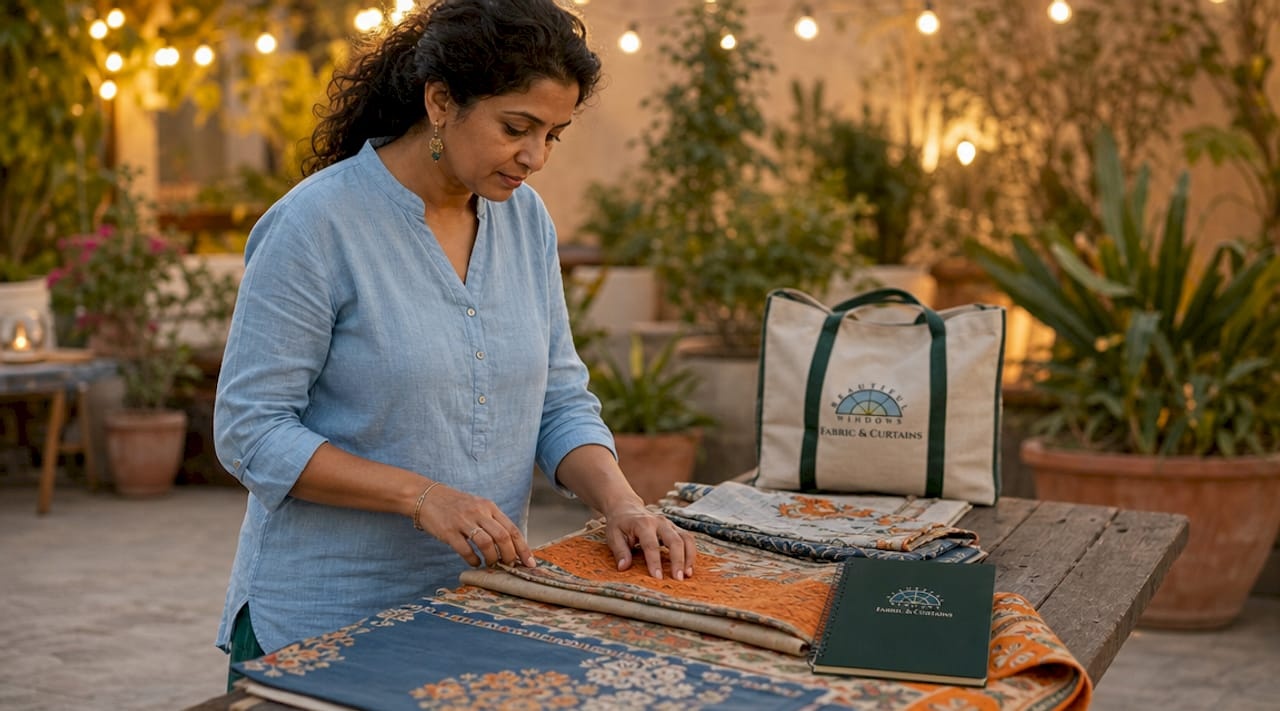
TL;DR:
- Decorative textiles primarily enhance visual appeal and tactile qualities rather than serve structural functions.
- Choosing the right fabric depends on evaluating texture, durability, and weight in relation to room use, with layering techniques creating depth and interest.
Decorative textiles are fabrics selected primarily to enhance the visual appeal, texture, and tactile quality of a living space rather than serve a purely structural function. They appear across upholstery, drapery, throw pillows, area rugs, and wall hangings, making them central to both residential interior design and professional creative projects. Choosing the right types of decorative textiles requires evaluating three core criteria: texture, durability, and how well a fabric’s weight aligns with its intended use. This guide covers the most important fabric categories, practical selection strategies, and layering techniques to help homeowners, interior designers, and DIY enthusiasts make confident, informed choices.
1. What are the main types of decorative textiles?
Decorative textiles divide into three broad categories based on fiber origin, weave structure, and finish. Understanding these categories is the fastest way to narrow your options before committing to a purchase.
Natural fiber textiles include linen, cotton, wool, and silk. Linen offers a relaxed, breathable texture that softens with use, making it a refined choice for drapery panels and decorative pillows in low-traffic rooms. Cotton is the most versatile natural fiber, appearing in canvas, muslin, and printed upholstery weights. Wool brings warmth and natural resilience, while silk delivers a luminous sheen suited to formal drapery and accent cushions.

Synthetic and performance fabrics include polyester blends, microfiber, and solution-dyed options like Sunbrella and Crypton. These fabrics mimic natural linen or velvet while resisting stains and wear, making them the preferred choice for high-use family rooms and outdoor spaces. Performance blends that combine natural fiber feel with synthetic durability are a practical solution for spaces that need both aesthetics and function.
Decorative weaves and specialty finishes represent the most design-forward category. Jacquard fabrics carry woven patterns directly into their structure, producing refined geometric or floral motifs with dimensional depth. Velvet is created through a cut-pile weave that produces its characteristic plushness. Boucle features looped yarns that create a nubby, tactile surface. Embroidered fabrics add surface decoration through stitched thread work on a base cloth.
| Fabric Type | Fiber Origin | Best Application | Durability Level |
|---|---|---|---|
| Linen | Natural | Drapery, decorative pillows | Moderate |
| Velvet | Natural or synthetic | Accent chairs, cushions | Moderate |
| Jacquard | Natural or synthetic | Drapery, upholstery | High |
| Sunbrella | Synthetic | High-traffic upholstery, outdoor | Very High |
| Boucle | Natural or synthetic | Throws, accent chairs | Moderate |
2. How to choose decorative textiles by weight and pattern
Fabric weight dictates function and mood: lightweight fabrics create airy, flowing looks while heavyweight fabrics provide structure and durability. Selecting the wrong weight for a given application is one of the most common and costly mistakes in decorative textile sourcing.
Here is a practical weight-to-use framework:
- Lightweight fabrics (sheers, voile, lightweight linen) work best for curtain panels where filtered light and soft movement are the goal.
- Medium-weight fabrics (cotton canvas, mid-weight linen, printed polyester) suit decorative pillows, table runners, and secondary upholstery like ottomans.
- Heavyweight fabrics (jacquard, velvet, boucle, upholstery-grade synthetics) are the correct choice for sofas, armchairs, and structured drapery that needs to hold its shape.
Tightly woven decorator fabrics often weigh 7 to 15 ounces per square yard, compared to thinner apparel materials. This weight range is what gives upholstery and drapery fabrics their longevity and reduced seam frequency across wide widths.
When mixing patterns, use three scale tiers: one large-scale pattern as the dominant print, one medium-scale secondary pattern, and one small-scale or solid texture as the accent. This three-tier layering approach creates professional visual hierarchy without visual clutter. Stripes, geometrics, and florals can coexist when their scales are clearly differentiated.
Pro Tip: Order physical fabric samples before purchasing yardage. Weight, hand feel, and color accuracy are difficult to assess from a screen, and the most frequent failures in decorative textile projects happen when fiber choice doesn’t match room function or lighting conditions.
3. Popular decorative textile types: descriptions and ideal uses
The following fabric types represent the most widely used and sourced decorative textiles across residential and professional design projects.
Linen delivers a relaxed, breathable texture that reads as high-end casual. It softens over time and works beautifully for drapery panels, decorative pillows, and light upholstery in bedrooms or sitting rooms. However, linen wrinkles easily and is less durable in homes with children or pets, making it a better secondary or accent textile than a primary upholstery choice.
Velvet is one of the most requested decorative fabric types for accent pieces. Its cut-pile surface produces a rich, dimensional appearance that photographs well and reads as luxurious in person. Velvet is moderately durable, but the pile can crush under heavy or repeated use. It performs best on accent chairs, decorative cushions, and bedroom headboards rather than primary family room seating.
Cotton canvas offers durability and a clean, casual aesthetic suited to upholstery on dining chairs, benches, and ottomans. It accepts dye well, making it available in a broad color range, and it holds up to regular cleaning better than most natural fiber alternatives.
Boucle has become one of the most sought-after home textile styles in recent years. Its looped yarn construction creates a textured, tactile surface that adds depth to chairs, sofas, and throw blankets. Boucle reads as contemporary luxury and pairs well with smooth leather or polished wood.
Performance fabrics from brands like Sunbrella and Crypton are the practical answer for families, pet owners, and high-traffic spaces. These fabrics offer stain resistance and abrasion durability while maintaining attractive textures that closely resemble natural materials. For anyone sourcing fabric for a busy household, performance blends that combine natural fiber feel with synthetic durability represent the most balanced choice.
Jute and sisal are natural fiber textiles used primarily for area rugs and wall accents. Both offer raw, organic texture and high durability underfoot, making them effective anchors for layered floor styling.
4. Fabric durability and maintenance: a comparison
Selecting a decorative textile without accounting for maintenance requirements leads to premature wear. Fiber type and usage alignment are the two factors that most reliably prevent failures in decorative textile investments.
| Fabric | Abrasion Resistance | Care Requirement | Best Use Case |
|---|---|---|---|
| Linen | Moderate | Dry clean or gentle wash | Drapery, accent pillows |
| Velvet | Moderate | Spot clean only | Accent chairs, cushions |
| Cotton canvas | High | Machine washable | Dining chairs, ottomans |
| Jacquard | High | Dry clean recommended | Drapery, formal upholstery |
| Sunbrella/Crypton | Very High | Soap and water | Family rooms, outdoor |
| Boucle | Moderate | Dry clean or professional | Accent chairs, throws |
| Jute/Sisal | High | Spot clean | Area rugs, floor accents |
Jacquard fabrics deserve a specific note on construction. In extra-yarn fancy weaves, decorative patterns are woven into the base structure, meaning the design and fabric integrity are inseparable. This manufacturing complexity is why quality jacquard holds its pattern through years of use but requires careful cleaning to preserve the weave.
Pro Tip: When sourcing upholstery fabric for a sofa or armchair, look for a double-rub count above 15,000 for residential use and above 30,000 for commercial or high-traffic applications. This single number tells you more about real-world durability than fiber content alone.
5. How to layer decorative textiles for a cohesive space
Layering is the technique that separates a furnished room from a designed one. The 60-30-10 rule is the standard framework for balancing textile usage in interior design: 60% of the textile presence comes from the dominant fabric (typically the sofa or large rug), 30% from a secondary texture (drapery, accent chairs), and 10% from statement details (throw pillows, blankets, decorative accents).
Applying this rule in practice means:
- Choose your anchor textile first. The sofa fabric or primary area rug sets the color and texture baseline for the entire room. Select this piece before committing to any other fabric.
- Add a contrasting secondary texture. If the sofa is smooth linen or leather, the drapery or accent chair should introduce a nubby, woven, or pile texture like boucle or velvet.
- Use the 10% accent layer for pattern and color. Throw pillows, blankets, and small decorative textiles are the lowest-cost, highest-impact layer for introducing pattern or a contrasting color.
- Test texture contrast before color matching. Contrasting texture pairs, such as a nubby wool throw against a smooth leather sofa, produce a layered, expensive look more effectively than color coordination alone.
“The most common beginner mistake is prioritizing color harmony over texture contrast, which detracts from creating a layered, luxurious feel.” — The Decorholic
Structural textiles like rugs and curtains form the foundation layer. Comfort textiles like upholstered seating and bedding occupy the middle layer. Ritual textiles like throws, table linens, and decorative cushions complete the top layer. Moving through these three tiers systematically prevents the most common layering error: overloading one layer while leaving others underdeveloped.
For window treatments specifically, fabric selection has a direct impact on how a room reads in natural light. The role of fabric in window treatments affects both the visual weight of a space and its practical light control, making drapery fabric one of the highest-leverage choices in any room.
Key takeaways
The most effective approach to selecting decorative textiles is matching fiber type and fabric weight to room function before considering aesthetics.
| Point | Details |
|---|---|
| Match weight to function | Lightweight fabrics suit drapery; heavyweights are required for upholstery and structured pieces. |
| Use the 60-30-10 rule | Distribute dominant, secondary, and accent textiles in proportion to avoid visual imbalance. |
| Prioritize texture contrast | Pairing smooth and nubby surfaces creates more depth than color coordination alone. |
| Test before purchasing | Physical samples reveal hand feel, weight, and light reactivity that screens cannot replicate. |
| Performance fabrics for high-traffic areas | Sunbrella and Crypton deliver natural-looking textures with stain and abrasion resistance. |
What I’ve learned from years of working with decorative fabrics
The single most undervalued step in any textile project is ordering samples. Clients and designers who skip this step consistently end up with fabric that looks right on screen but reads differently in the actual room, whether because of undertones, sheen, or weight. Spending a few dollars on samples before committing to ten or twenty yards is not optional. It is the most reliable quality control step available.
The second thing I have observed consistently is that people invest heavily in accent textiles and underinvest in anchor pieces. A beautifully curated set of throw pillows on a sofa covered in a low-grade fabric will always look unfinished. The anchor textile, the sofa, the primary rug, or the main drapery panel, deserves the largest share of the budget and the most careful selection.
On the topic of emerging trends, performance fabrics have moved well beyond their utilitarian origins. The current generation of solution-dyed and blended performance textiles is genuinely difficult to distinguish from natural linen or velvet at a glance. For anyone furnishing a home that needs to function well for years, these fabrics are no longer a compromise. They are a smart first choice. Pairing them with natural fiber accents in the 10% layer gives you the best of both worlds: durability where it counts and authentic texture where it shows.
— Marrion
Explore designer and performance fabrics at Beautifulwindowselgin

Beautifulwindowselgin carries a curated selection of designer drapery fabrics and upholstery textiles suited to the full range of home decor and creative projects described in this guide. The collection includes jacquard satin, embroidered fabrics, and performance upholstery options sold by the yard, with fabric samples available before you commit to full yardage. Beautifulwindowselgin also provides custom drapery services and design consultations for homeowners, interior designers, and drapery workrooms, with nationwide shipping from Columbia, SC. Whether you are sourcing fabric for a single accent chair or outfitting an entire room, the team at Beautifulwindowselgin is equipped to support your project from selection through installation.
FAQ
What are the most durable types of decorative textiles?
Performance fabrics like Sunbrella and Crypton offer the highest abrasion resistance among decorative fabric types, making them the best choice for high-traffic upholstery. Jacquard and tightly woven cotton canvas also rank high for durability in residential applications.
How do I choose decorative textiles for upholstery vs. drapery?
Upholstery requires heavyweight fabrics with a double-rub count above 15,000 for residential use, while drapery benefits from lightweight to medium-weight fabrics that drape cleanly and manage light. Matching fabric weight to the specific application prevents premature wear and poor visual results.
What is the 60-30-10 rule in textile decorating?
The 60-30-10 rule allocates 60% of the room’s textile presence to a dominant fabric, 30% to a secondary texture, and 10% to accent details like throw pillows or blankets. This proportion prevents visual chaos and creates a balanced, layered look.
Can I mix natural and synthetic decorative fabrics in the same room?
Mixing natural and synthetic fabrics is not only acceptable but recommended. Natural fiber accents like linen or wool throws add authentic texture, while synthetic performance fabrics in anchor pieces provide the durability needed for everyday use.
Why does texture contrast matter more than color in textile layering?
Texture contrast creates visual depth and a layered, refined appearance that color matching alone cannot achieve. Pairing a smooth surface with a nubby or pile fabric, such as leather with boucle, produces a more sophisticated result than coordinating fabrics of the same texture in different colors.
Recommended
- Decorative Textiles: Transform Your Space with Style – Fabric Store in Columbia, SC | Drapery Making Services
- Decorative fabric options: a guide for homeowners – Fabric Store in Columbia, SC | Drapery Making Services
- How the right textiles elevate home décor and comfort – Fabric Store in Columbia, SC | Drapery Making Services
- What is designer textile? A guide to luxurious home fabrics – Fabric Store in Columbia, SC | Drapery Making Services