TL;DR:
- Selecting fabric involves evaluating its function, physical characteristics, and quality before purchasing. Homeowners often make mistakes by choosing based on appearance alone, ignoring factors like weight, durability, and drape. Accurate hand-on testing and proper preparation ensure a durable, well-suited fabric for any home décor project.
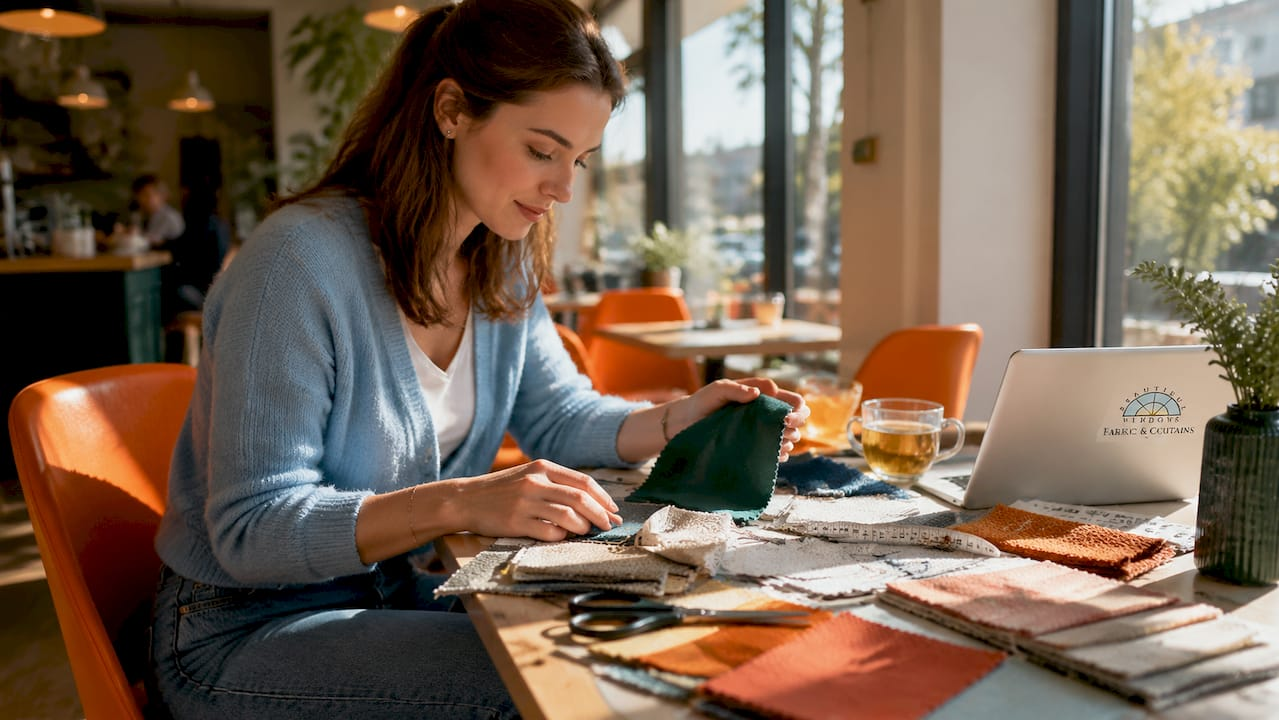
Step by step fabric selection is the structured process of evaluating and choosing the right textile for your home décor or DIY project, ensuring the finished result performs well and looks intentional. Choosing fabric by appearance alone is the most common mistake homeowners make. The right process starts with function, moves through physical evaluation, and ends with a final inspection before any yardage is cut. This guide walks you through each stage clearly, so you spend less time second-guessing and more time creating interiors you are proud of.
What does step by step fabric selection actually involve?

Fabric selection starts with defining your project’s purpose and functional requirements, not with browsing colors or patterns. That single shift in approach prevents the most costly mistakes homeowners make when reupholstering furniture or hanging new drapery.
The fabric selection process draws on a set of defined criteria: fiber content, weave structure, weight measured in grams per square meter (GSM), durability measured in double rubs, and finish. A fabric brief that documents all five criteria is a professional standard used by interior workrooms and design studios. Applying the same discipline at home produces the same quality of result.
Stretch, weight, and drape are more critical than pattern or color when determining whether a fabric suits a project. A beautiful print on the wrong base fabric will fail within months on a sofa or look limp at a window.
What tools and knowledge do you need before you start?
The right preparation shortens the entire fabric selection process. Gather these tools before evaluating any textile:
- Fabric swatches: Physical samples are non-negotiable. Online photos do not show true hand feel, weight, or drape.
- Measuring tape: Needed for window dimensions, furniture measurements, and yardage calculations.
- A kitchen scale: Used to verify GSM by weighing cut fabric squares.
- Good lighting: Natural daylight or a D65 standard lamp reveals true color without distortion.
- A fabric brief template: A written record of your project’s required fiber content, weight range, stretch tolerance, care method, and finish.
Beyond tools, you need a working knowledge of two fabric categories used in interiors. Upholstery fabric is heavier and more durable, suited for furniture surfaces that absorb daily contact. Drapery fabric is lighter and more fluid, designed for window treatments where movement and light filtration matter. Confusing the two categories is a common beginner error that leads to premature wear or poor visual results.
| Fabric category | Typical GSM range | Primary use |
|---|---|---|
| Lightweight drapery | 80–150 GSM | Sheer curtains, café panels |
| Medium drapery | 150–250 GSM | Standard window treatments |
| Light upholstery | 250–350 GSM | Decorative cushions, headboards |
| Heavy upholstery | 350 GSM and above | Sofas, dining chairs, ottomans |
How do you assess fabric characteristics: weight, texture, durability, and stretch?
Physical testing is the core of any reliable fabric selection guide. No specification sheet replaces hands-on evaluation.

Measuring fabric weight accurately
Professionals measure GSM by cutting a 10×10 cm square from the fabric and weighing it on a kitchen scale, then multiplying by 100 to get grams per square meter. Fabric suppliers often round their stated weight figures upward. Spot-checking with your own scale confirms the true value before you commit to a full order.
Testing texture and hand feel
Run the fabric across the back of your hand, not your palm. The back of the hand is more sensitive to texture variation and detects roughness that would irritate skin on upholstered seating. Press the fabric firmly, release it, and observe how quickly it recovers its shape. Slow recovery signals a looser weave that may distort under regular use.
Evaluating drape and stiffness
The corner-hang test distinguishes drape from stiffness and predicts how a fabric will behave on furniture or at a window. Hold one corner of the fabric at arm’s length and let it fall freely. Fabric that flows in a smooth curve has good drape. Fabric that holds a rigid angle is stiff and better suited to structured applications like Roman shades or tailored cushion covers.
Pro Tip: Perform a 2-minute mirror drape test by draping the fabric over a chair or curtain rod and stepping back to view it in a full-length mirror. This mimics the finished look and reveals whether the fabric pools, bunches, or hangs cleanly.
Understanding durability ratings
Durability in upholstery fabric is measured in double rubs, a standardized abrasion test. Light-use items require at least 15,000 double rubs, while a family room sofa needs 20,000 or more to hold up under daily use. Check the manufacturer’s specification label before purchasing any upholstery textile. For more detail on upholstery fabric durability, the metrics translate directly to how long your finished piece will last.
Which fabric types suit upholstery, curtains, and cushions?
Matching fabric to project type is where the selection process becomes specific. Each application has distinct performance requirements.
For upholstery projects:
- Woven jacquard and brocade: high thread count, holds pattern under stress, suited for formal seating
- Velvet and chenille: dense pile, excellent abrasion resistance, warm tactile quality
- Linen blends: breathable and durable, best for low-traffic accent chairs
- Microfiber weaves: stain-resistant surface, practical for family rooms and dining chairs
For drapery and curtains:
- Jacquard satin: refined woven pattern with a satin finish, adds visual weight without bulk
- Embroidered sheers: decorative surface detail, filters light while maintaining privacy
- Linen and cotton blends: relaxed texture, suitable for casual or transitional interiors
- Blackout-lined fabrics: layered construction for light control and insulation
For cushions and decorative accents:
- Printed cotton: versatile, easy to launder, wide pattern range
- Velvet: rich surface texture, works well as an accent against neutral upholstery
- Outdoor performance fabric: UV-resistant and moisture-tolerant for covered porch seating
Pattern repeat is a factor that homeowners frequently underestimate. A fabric with a 12-inch vertical repeat requires significantly more yardage per panel or cushion than a solid or small-scale print. Calculate repeat allowances before ordering. For guidance on window treatment fabric selection, the repeat calculation method applies directly to drapery panels.
| Project type | Minimum double rubs | Key selection factor |
|---|---|---|
| Decorative cushion | 15,000 | Color fastness, texture |
| Accent chair | 15,000–20,000 | Weave stability, pattern repeat |
| Family sofa | 20,000+ | Abrasion resistance, stain treatment |
| Drapery panel | Not applicable | Drape, light filtration, GSM |
| Roman shade | Not applicable | Stiffness, pattern alignment |
What are the final checks before you purchase fabric?
Final validation prevents expensive errors. Complete these steps before placing any order.
-
View swatches under correct lighting. Standardized lighting such as D65 or CWF prevents metameric color shift, where a fabric appears to change color under different light sources. Always approve fabric color under the lighting conditions of the room where it will be used. Request a signed physical swatch from the supplier to lock in the approved color.
-
Inspect for defects. Professional fabric inspection uses the 4-point system with AQL 2.5 standard, which catches the majority of defects before cutting begins. At home, unroll the full swatch and examine it under bright light for pulled threads, uneven dye, weave gaps, or surface flaws. Reject any roll with recurring defects.
-
Calculate your yardage precisely. Measure your project dimensions, add 10% for seam allowances and cutting waste, and add one full pattern repeat per cut piece if the fabric has a repeat. Ordering short is a common and costly mistake, particularly when a colorway sells out.
-
Verify care instructions. Check whether the fabric is machine washable, dry-clean only, or spot-clean only. Mismatched care requirements between fabric and project use lead to premature damage. A sofa fabric that requires dry cleaning is impractical for a household with children or pets.
-
Order a sample before the full yardage. Most reputable fabric retailers offer samples by the yard or as cut swatches. Testing a sample in your actual space confirms color, weight, and texture before you commit to the full quantity.
Pro Tip: Build a labeled swatch library in a three-ring binder. Attach each swatch with the supplier name, colorway, GSM, fiber content, and double rub rating written beside it. This reference saves significant time on future projects and prevents duplicate purchases.
Key takeaways
Fabric selection succeeds when you define project requirements first, test physical properties second, and confirm color and quality under proper conditions before purchasing.
| Point | Details |
|---|---|
| Start with function, not aesthetics | Define project purpose and durability needs before evaluating color or pattern. |
| Test GSM independently | Weigh cut fabric squares yourself to confirm supplier weight claims are accurate. |
| Use the corner-hang and drape tests | Physical tests reveal drape and stiffness that specification sheets cannot communicate. |
| Match double rubs to use level | Light-use items need 15,000 double rubs; family sofas require 20,000 or more. |
| Inspect and calculate before ordering | Check for defects, confirm yardage with pattern repeat allowances, and verify care requirements. |
Why the tactile step is the one most homeowners skip
Most homeowners spend the majority of their fabric research time online. They scroll through product photos, compare color swatches on screen, and place orders based on what looks good at 72 pixels per inch. I have seen this approach fail repeatedly, and the failure always shows up the same way: the fabric arrives and the weight is wrong, or the color reads completely differently in the room.
The physical tests described in this guide, the corner-hang, the hand-feel check, the mirror drape, are not optional extras. They are the actual selection process. Everything else is preliminary research. Trusting a screen image over a physical swatch is the equivalent of choosing paint color from a thumbnail. The room will tell you the truth that the photo never could.
Building a swatch library takes patience, but it pays back every time you start a new project. You stop reordering samples you already evaluated. You develop a calibrated sense of what 300 GSM feels like versus 180 GSM. That tactile knowledge is what separates a confident fabric buyer from someone who guesses and hopes.
Balance aesthetics with durability from the start. A fabric that looks perfect but wears out in two years is not a good choice. A fabric that lasts a decade and suits the room is the right one.
— Marrion
Quality fabrics for every home project at Beautifulwindowselgin
Beautifulwindowselgin carries a curated selection of upholstery and drapery fabrics sold by the yard, including jacquard satin, embroidered textiles, and performance upholstery weaves suited to the full range of home projects. The team supports homeowners with fabric samples, yardage guidance, and professional measurement advice so you order exactly what you need.

Browse collections including brown upholstery fabric, orange drapery textiles, and striped fabric with nationwide shipping available. Whether you are reupholstering a sofa or hanging new window treatments, Beautifulwindowselgin provides the materials and expertise to support the full fabric selection process from sample to installation.
FAQ
What is the first step in fabric selection for home projects?
Define your project’s purpose and functional requirements before evaluating any fabric. Starting with function rather than aesthetics prevents the most common and costly selection mistakes.
How many double rubs does upholstery fabric need?
Light-use upholstery items require at least 15,000 double rubs, while sofas in active family rooms need 20,000 or more to maintain durability over time.
How do I check if a fabric’s stated weight is accurate?
Cut a 10×10 cm square from the fabric, weigh it on a kitchen scale, and multiply by 100 to calculate the true GSM. Suppliers frequently round their stated weight figures upward.
What lighting should I use when approving fabric color?
Use D65 or CWF standardized lighting to evaluate fabric color accurately. These standards prevent metameric shift, where a fabric appears to change color under different light sources.
How much extra yardage should I order for pattern repeats?
Add one full pattern repeat per cut piece to your base yardage calculation, plus a 10% allowance for seam waste. Ordering short is the most common and difficult mistake to correct after a colorway sells out.
Recommended
- Fabric Sampling Process for Window Treatments & Upholstery – Fabric Store in Columbia, SC | Drapery Making Services
- Upholstery Fabric Checklist: A Practical Guide for Homeowners – Fabric Store in Columbia, SC | Drapery Making Services
- Curtain Fabric Selection Guide 2026: Pick Styles That Last 30% Longer – Designer Fabrics by the Yard | Drapery Making Services
- Drapery Fabric Selection Guide for Custom Window Treatments – Shop Designer Fabrics by the Yard | Curtains & Drapery