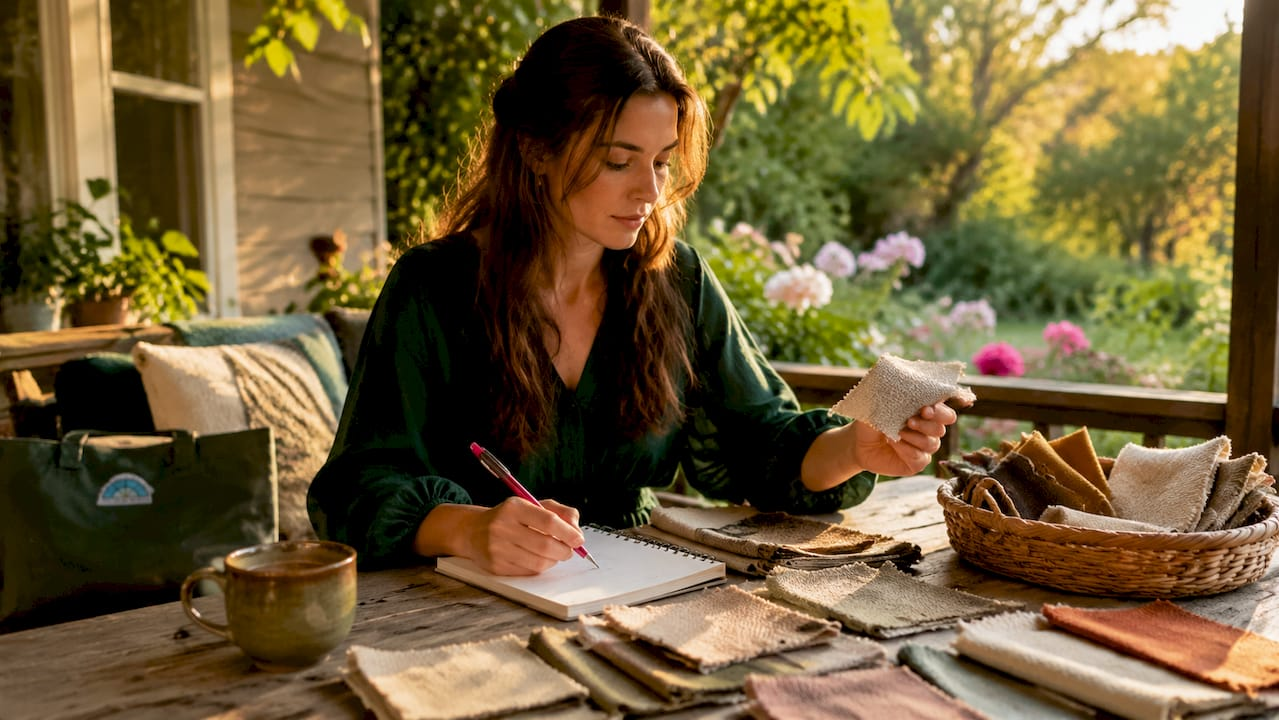
TL;DR:
- Eco-friendly fabrics have a lower environmental impact throughout their lifecycle compared to traditional textiles. Their sustainability depends on multiple factors like water, chemical use, energy, and end-of-life biodegradability or recyclability, which vary by fabric type. Selecting the most suitable eco-fabric involves understanding these trade-offs, verifying with certifications, and considering the fabric’s end-of-life impact for overall environmental benefit.
Eco-friendly fabrics are materials selected for their lower environmental impact across their entire lifecycle compared to conventional textiles. The industry term for this field is sustainable textiles, and it covers everything from fiber cultivation to factory processing, consumer use, and final disposal. Eco-friendly fabrics explained properly means going beyond a single green claim. Organic cotton, hemp, linen, lyocell (sold under the brand name Tencel by Lenzing AG), and recycled polyester each reduce harm in some areas while creating trade-offs in others. Understanding those trade-offs is what separates informed fabric selection from greenwashing.
What key factors determine if a fabric is eco-friendly?
Eco-friendliness is a comparative claim, not an absolute one. A fabric earns the label by performing better than alternatives across multiple environmental criteria for a specific use case. No single factor tells the full story.
The five core criteria used to evaluate sustainable textiles are:
- Water use: How much water is consumed during fiber cultivation and wet processing. Conventional cotton is one of the most water-intensive crops on earth.
- Land use: Whether fiber production competes with food crops, requires deforestation, or degrades soil health over time.
- Energy consumption: How much fossil fuel energy is used in spinning, weaving, dyeing, and finishing.
- Chemical inputs: Whether pesticides, synthetic fertilizers, bleaches, or finishing agents like PFAS are applied during production.
- End-of-life fate: Whether the fabric biodegrades, can be recycled, or will persist as microplastic pollution in landfills and waterways.
These factors interact in ways that make simple rankings misleading. Hemp, for example, requires very little water and no pesticides, but processing it into soft fabric requires significant energy. Lyocell uses a closed-loop solvent system that recovers over 99% of its processing chemicals, making it exceptionally clean in production. However, its end-of-life performance depends on whether it is blended with synthetics.
Pro Tip: When evaluating any fabric’s green credentials, ask the supplier for a Life Cycle Assessment (LCA) or a certification from Textile Exchange or GOTS. Marketing language alone is not sufficient evidence.

The table below summarizes how each factor maps to common fabric types:
| Environmental Factor | High Impact Fabrics | Lower Impact Fabrics |
|---|---|---|
| Water use | Conventional cotton, viscose | Organic cotton, linen, hemp |
| Chemical inputs | Conventional cotton, nylon | Hemp, lyocell, organic linen |
| Energy consumption | Nylon, acrylic | Linen, hemp |
| End-of-life recyclability | Blended fabrics, nylon | Recycled polyester, wool |
| Microplastic pollution | Polyester, acrylic | All natural fibers |
How do common sustainable fabrics compare?
No fabric excels in every sustainability category, so selection must match the fabric’s strengths to the intended use. Here is how the most widely available options stack up.
| Fabric | Water Use | Chemical Inputs | Energy Use | End-of-Life | Best Use |
|---|---|---|---|---|---|
| Organic cotton | Low to moderate | Very low | Moderate | Biodegradable | Apparel, light drapery |
| Hemp | Very low | Very low | Moderate | Biodegradable | Upholstery, canvas |
| Linen | Low | Low | Low | Biodegradable | Curtains, upholstery |
| Lyocell (Tencel) | Low | Very low | Moderate | Biodegradable (if pure) | Apparel, light drapery |
| Recycled polyester | Low | Low | Moderate | Not biodegradable | Outdoor upholstery |
| Wool | Low | Low to moderate | Low | Biodegradable | Upholstery, heavy drapery |
Organic cotton stands out for water efficiency when grown without irrigation. Rain-fed organic cotton uses approximately 182 liters per kilogram of lint, compared to 2,120 liters for conventionally irrigated cotton. That is a reduction of over 90%. However, the Textile Exchange cotton LCA confirms that impacts vary significantly by region and nitrogen management practice, so “organic” alone does not guarantee the lowest footprint.
Hemp is one of the most durable natural fibers available. It improves soil health through a process called phytoremediation, requires no pesticides, and produces a strong, long-lasting textile well suited to upholstery and heavy drapery. Its main limitation is that raw hemp fiber is coarse, and softening it for apparel use requires additional processing.

Linen, made from flax, grows with minimal irrigation in European climates and requires very little chemical input. It is naturally moth-resistant and biodegrades cleanly at end-of-life. For window treatment fabric, linen offers both sustainability credentials and a refined, textured appearance that suits contemporary interiors.
Recycled polyester reduces energy use and water consumption compared to virgin polyester. It diverts plastic bottles from landfills. The critical limitation is that recycled polyester still sheds microplastics during washing and does not biodegrade. For outdoor upholstery where durability matters most, it remains a reasonable choice. For interior drapery, natural fibers offer a cleaner lifecycle.
Pro Tip: For drapery and upholstery projects, linen and hemp are the most reliable choices when you want both durability and a clean end-of-life story. Pair them with GOTS-certified linings to maintain the fabric’s overall sustainability profile.
How does end-of-life impact eco-friendly fabric choices?
End-of-life is the most overlooked dimension of sustainable textiles, and it is where many well-intentioned fabric choices fall short. A fabric grown organically but finished with PFAS coatings, or woven as a polyester-cotton blend, creates serious recycling problems regardless of its cultivation credentials.
The scale of textile waste is significant. The US EPA estimated that 17 million tons of textile waste were generated in the United States in 2018, with only 14.7% recycled. Approximately 11.3 million tons went to landfill that year. That low recycling rate reflects both consumer behavior and the technical difficulty of processing blended fabrics.
In Europe, textiles generate about 16 kg of waste per person annually, with only around 25% collected separately for reuse or recycling. The European Union mandated separate textile collection systems starting in 2025, which will improve data and infrastructure over time. The policy shift signals that end-of-life planning is becoming a regulatory requirement, not just a design preference.
Key end-of-life considerations for fabric buyers and designers:
- Blended fabrics are very difficult to recycle. A 60% cotton, 40% polyester blend cannot be cleanly separated with current mainstream recycling technology. Pure fiber fabrics are far more recyclable.
- PFAS finishes block recyclability. The EEA identifies PFAS as a major barrier to circular textile systems. These persistent chemicals are used in stain-resistant and water-repellent finishes and contaminate recycling streams.
- Microplastic shedding from synthetics occurs with every wash cycle. A single load of laundry can release hundreds of thousands of microplastic fibers into wastewater systems.
- Natural fibers biodegrade in soil conditions, but only when free of synthetic dyes and chemical finishes. Heavily treated natural fabrics may take decades to break down.
Durability and reuse capacity are the most practical ways to reduce end-of-life impact. A high-quality linen drapery panel that lasts 20 years has a far lower lifecycle footprint than a cheaper synthetic alternative replaced every five years.
How to choose the best eco-friendly fabric for your needs
Choosing the right sustainable textile requires matching the fabric’s environmental strengths to your specific use case. The following steps provide a practical framework for both consumers and designers.
-
Define the use case first. Upholstery fabric needs durability above all else. Drapery fabric needs light-filtering properties and dimensional stability. Apparel needs comfort and washability. Each use case has a different dominant impact factor, and the best eco fabric varies accordingly.
-
Check for recognized certifications. The Global Organic Textile Standard (GOTS) certifies organic fiber content and responsible processing for cotton and other natural fibers. The Forest Stewardship Council (FSC) and Programme for the Endorsement of Forest Certification (PEFC) cover wood-based fibers like lyocell and modal. These certifications verify claims that marketing language cannot.
-
Ask about chemical finishes explicitly. Many fabrics marketed as natural or eco-friendly carry PFAS-based stain-resistant or wrinkle-resistant finishes. PFAS in textiles complicates both chemical safety and recyclability. Request a material safety data sheet or a chemical compliance statement from your supplier.
-
Prioritize pure fiber construction for recyclability. If end-of-life recycling matters to you, avoid blended fabrics. A pure linen or pure wool upholstery fabric is far more compatible with textile recycling programs than a linen-polyester blend.
-
Verify local recycling infrastructure. Knowing that a fabric is technically recyclable means little if no collection program exists in your area. Check with local textile recyclers or take-back programs before committing to a fabric based on recyclability claims.
Pro Tip: When sourcing fabric for a home décor project, ask for a sample swatch and check the care label. If the label recommends dry cleaning only, the fabric likely carries chemical finishes that complicate both care and end-of-life disposal.
Understanding how fabric shapes your home’s comfort goes beyond aesthetics. The fiber content, weave structure, and finish all determine how a textile performs environmentally over its full lifespan.
Key takeaways
Sustainable fabric selection requires evaluating water use, chemical inputs, energy consumption, and end-of-life fate together, not in isolation.
| Point | Details |
|---|---|
| Eco-friendly is comparative | No fabric is perfect; evaluate performance across water, chemicals, energy, and end-of-life for your specific use. |
| Organic cotton saves water | Rain-fed organic cotton uses over 90% less water than conventionally irrigated cotton, but regional practices still matter. |
| End-of-life is often overlooked | Only 14.7% of US textile waste was recycled in 2018; blends and PFAS finishes are the primary barriers. |
| Certifications verify claims | GOTS for natural fibers and FSC/PEFC for wood-based fabrics provide independent verification beyond marketing language. |
| Durability reduces total impact | A long-lasting natural fiber fabric has a lower lifecycle footprint than a cheaper synthetic replaced more frequently. |
Why eco labels are not enough: a designer’s honest view
I have worked with fabric sourcing long enough to recognize a pattern: the more prominently a fabric is marketed as “eco-friendly,” the more carefully you need to read the fine print. The label is often the beginning of the conversation, not the end of it.
The area I see most consistently undervalued is end-of-life design. Designers and consumers spend considerable time evaluating cultivation practices and certifications, which is worthwhile. But a beautifully certified organic cotton upholstery fabric blended with polyester for durability will almost certainly end up in a landfill. The blend defeats the purpose of the certification at the moment it matters most.
PFAS reduction is the issue I watch most closely right now. The EU’s regulatory pressure and the EEA’s identification of PFAS as a circular economy barrier are pushing manufacturers toward safer alternatives. For anyone sourcing sustainable home textiles, this shift is worth tracking. Fabrics finishing without PFAS are becoming more available, and they represent a genuine improvement over previous generations of “eco” options.
My practical advice: treat sustainability as a lifecycle question, not a fiber question. Ask where the fabric ends, not just where it begins. That shift in thinking produces better decisions than any single certification or marketing claim.
— Marrion
Explore sustainable drapery and upholstery fabrics at Beautifulwindowselgin
Beautifulwindowselgin curates a selection of quality drapery and upholstery fabrics suited to eco-conscious home décor projects. Whether you are sourcing material for custom window treatments or reupholstering furniture, the collection includes natural fiber options and designer textiles chosen for both performance and refined appearance.

Browse the designer drapery fabric collection for linen, textured, and natural fiber options sold by the yard with nationwide shipping. For seating and soft furnishings, the upholstery fabric selection covers durable, versatile materials suited to long-lasting home décor. Design consultations are available to help you match fiber content, weave structure, and finish to your specific sustainability and performance goals.
FAQ
What are eco-friendly fabrics?
Eco-friendly fabrics are textiles with lower environmental impact across their full lifecycle compared to conventional alternatives. The evaluation covers water use, chemical inputs, energy consumption, and end-of-life outcomes including biodegradability and recyclability.
Which fabric is the most sustainable for home use?
Linen and hemp are consistently strong choices for home textiles because both require minimal water and chemical inputs, biodegrade cleanly, and produce durable fabrics suited to drapery and upholstery. The best choice depends on the specific use case and available certifications.
Does organic cotton use less water than regular cotton?
Yes. Rain-fed organic cotton uses approximately 182 liters per kilogram of lint compared to 2,120 liters for conventionally irrigated cotton, a reduction of over 90%. However, impacts vary by growing region and farming practice, as confirmed by Textile Exchange’s cotton LCA research.
Why are fabric blends a problem for recycling?
Blended fabrics combine natural and synthetic fibers that cannot be cleanly separated with mainstream recycling technology. This means most blended textiles end up in landfill regardless of the sustainability credentials of their individual fiber components.
What certifications should i look for when buying sustainable fabric?
The Global Organic Textile Standard (GOTS) is the most recognized certification for organic natural fibers. FSC and PEFC certifications cover wood-based fibers like lyocell. These certifications verify both fiber origin and responsible processing, providing independent confirmation beyond supplier marketing claims.
Recommended
- How fabric shapes your home’s comfort and style – Fabric Store in Columbia, SC | Drapery Making Services
- Designer Fabric Trends 2026: Top Picks for Your Home – Fabric Store in Columbia, SC | Drapery Making Services
- What is designer fabric? Guide to premium textiles for homeowners – Fabric Store in Columbia, SC | Drapery Making Services
- Decode designer fabric terminology: a guide for homeowners – Fabric Store in Columbia, SC | Drapery Making Services