TL;DR:
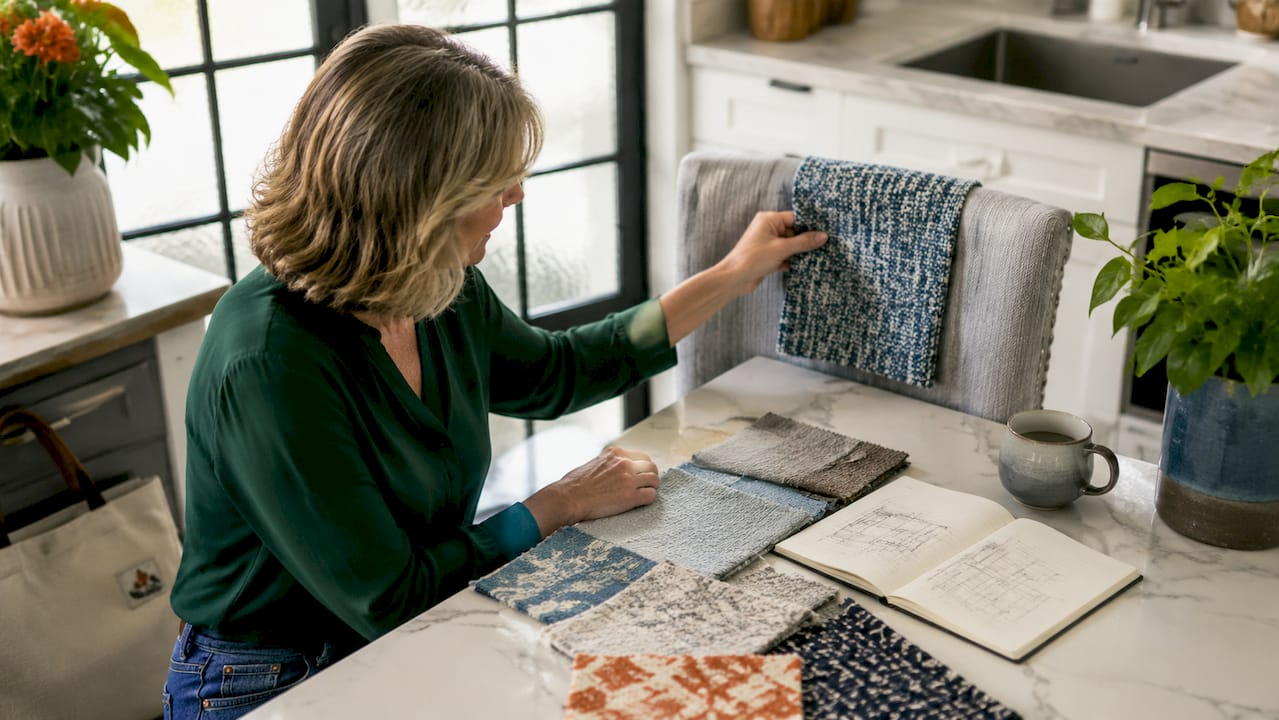
- Requesting fabric swatches allows you to verify true color, texture, and drape in your actual lighting conditions before committing to a full order.
- Proper evaluation involves testing in different lighting, assessing hand feel, washing for shrinkage, and confirming pattern repeats to prevent costly mistakes.
- Choosing larger swatches for home décor projects and requesting samples early ensures confidence, accurate assessment, and better decision-making.
A fabric swatch is a small, physical sample cut from the actual bolt of fabric you intend to purchase, and requesting one before committing to a full order is the single most reliable way to verify that a fabric truly suits your project. Color accuracy, texture, drape, weight, and opacity are all properties that photographs and digital descriptions consistently misrepresent. For homeowners and interior design enthusiasts selecting curtains, upholstery, or decorative accents, understanding why request fabric swatches matters is the difference between a confident purchase and a costly return. The guidance below covers everything from evaluation techniques to swatch sizing standards, so you can make every fabric decision with certainty.
Why request fabric swatches instead of trusting photos?
Digital product photography is produced under controlled studio lighting, processed through editing software, and then displayed on a screen with its own brightness and color calibration. The result is that color perception differs drastically between screens due to varying brightness and settings, meaning the ivory linen you see on your laptop may read as warm cream on your phone and cool white on a tablet. A physical swatch eliminates that variable entirely by showing you the true color under your own lighting conditions.
Texture and hand feel are equally impossible to assess from a photo. A fabric described as “soft jacquard satin” can range from a stiff, structured weave to a supple, fluid drape depending on the fiber content and finishing process. Tactile evaluation of swatches reveals nuances in texture and weave that digital descriptions cannot capture, which directly informs whether a fabric is suitable for floor-length drapery or a tightly upholstered chair seat. Running your fingers across the surface, checking the weave density, and testing the stretch all take seconds with a physical sample.
Beyond color and texture, swatches allow you to assess:
- Opacity and light filtration: Hold the swatch up to a window to see exactly how much light passes through, which is critical for curtain and drapery selection.
- Drape and weight: Let the swatch fall naturally from your hand. A fabric that drapes in soft folds will behave very differently from one that holds a rigid shape.
- Weave tightness and durability: Examine the weave under natural light to gauge thread density and resistance to snagging or pilling.
- Pattern scale and repeat: A swatch large enough to show a full pattern repeat gives you a realistic preview of how the design will read across a full panel or cushion.
Pro Tip: Place the swatch directly against your wall color, flooring, and existing furniture before making any judgment. Color relationships shift significantly in context, and what looks neutral in isolation may read as warm or cool once surrounded by your room’s existing palette.
How to properly evaluate fabric swatches at home
Accurate swatch evaluation requires more than a quick glance. The process is methodical, and the effort invested here directly prevents regret after a full-yardage purchase.
-
Test in multiple lighting conditions. Testing swatches in natural daylight and artificial indoor lighting reveals true color undertones that screens cannot show. Carry the swatch to the room where the finished piece will live and observe it at different times of day, under your overhead fixtures, and beside any lamps you use regularly.
-
Assess the hand feel deliberately. Rub the fabric between your fingers to gauge softness and surface texture. Fold it to check how it creases and whether it recovers. For upholstery fabrics, press firmly to simulate the compression a seat cushion receives daily.
-
Wash or steam the swatch before finalizing. Fabric weight and drape can change by 5 to 10% after the first wash or steam treatment. Washing a swatch with the same method you plan to use on the finished piece reveals shrinkage, color bleeding, and any change in texture or stiffness. This step alone prevents some of the most common and expensive fabric mistakes.
-
Drape the swatch vertically. Pin or tape it to a wall or door frame to simulate how it will hang as a curtain panel. A fabric that looks structured on a flat surface may reveal a beautiful fluid drape when allowed to hang freely, or it may appear stiff and unforgiving.
-
Label and organize your samples. When comparing multiple fabrics, write the supplier name, fabric name, colorway, and price per yard on a small adhesive label attached to each swatch. Lay them side by side in the actual room to compare them simultaneously rather than sequentially.
Pro Tip: If you are selecting fabric for custom window treatments, pin the swatch to your existing curtain rod or window frame and observe it at the same height and angle the finished drapery will occupy. Scale and proportion read very differently at eye level versus on a table.
What swatch size is best for different home décor projects?

Swatch sizing is a practical standard in the textile industry, not an arbitrary preference. Industry standards recommend larger swatches of 6×6 to 8×8 inches for home décor applications to evaluate drape accurately, while apparel sampling typically uses smaller 3×3 to 4×4 inch cuts. The difference matters because home décor fabrics are used at a much larger scale, and a small sample simply cannot represent how a pattern or texture will read across a full window panel or sofa.

The table below outlines recommended swatch sizes by project type:
| Project type | Recommended swatch size | Why it matters |
|---|---|---|
| Curtains and drapery | 8×8 inches or larger | Shows full pattern repeat and drape behavior |
| Upholstery (sofas, chairs) | 6×8 inches | Reveals texture, durability, and color at scale |
| Throw pillows and cushions | 4×6 inches | Sufficient for color matching and texture feel |
| Table linens and runners | 4×4 inches | Adequate for weave and color assessment |
| Decorative accents and trims | 3×4 inches | Enough to evaluate texture and sheen |
For patterned fabrics such as jacquard, embroidered textiles, or geometric prints, always request a swatch that includes at least one full pattern repeat. A swatch that captures only a fragment of the design gives a misleading impression of the finished look. Beautifulwindowselgin recommends specifying this requirement explicitly when placing a swatch request, particularly for designer drapery fabrics with large-scale motifs.
Common mistakes to avoid when using fabric swatches
Even experienced decorators make avoidable errors in the swatch evaluation process. Recognizing these pitfalls in advance saves both time and money.
- Ordering swatches too late. Requesting samples after you have already committed to a color scheme, furniture delivery date, or installation timeline creates pressure that leads to rushed decisions. Order swatches at the earliest stage of your project, before any other purchases are finalized.
- Evaluating swatches only in one room. A fabric selected under the bright light of a south-facing living room may look entirely different in the north-facing bedroom where it will actually be installed. Always test in the intended space.
- Skipping the wash test. Fabric properties like weight and drape can change after washing or steaming, and skipping this step is one of the most common causes of post-purchase disappointment. Pre-washing the swatch is non-negotiable for any fabric that will require regular cleaning.
- Ignoring supplier swatch policies. Some fabric retailers limit the number of free swatches per order, charge a nominal fee per sample, or apply the swatch cost as a credit toward a full purchase. Reviewing these policies before requesting samples prevents unexpected charges and helps you prioritize which fabrics to sample first.
- Comparing swatches under inconsistent conditions. Viewing one swatch in daylight and another under a warm lamp introduces a variable that has nothing to do with the fabric itself. Always compare swatches under identical lighting conditions for an accurate side-by-side assessment.
Free vs. paid fabric swatches: what to expect and how to request them
Most wholesalers offer free swatches sized 7.5 cm to 15 cm to reduce procurement risk and allow buyers to verify color and texture before committing to bulk orders. This practice reflects a straightforward business logic: buyers who receive samples are more likely to purchase with confidence and less likely to return goods. Shoppers ordering samples often commit to larger purchases than those buying from photos alone, which makes swatch programs a sound investment for both the retailer and the customer.
However, most fabric wholesalers charge shipping fees for swatches even when the samples themselves are free. For domestic orders, this cost is typically modest. For international requests, shipping fees can be substantial, so factor this into your planning.
To make an effective swatch request, follow these practices:
- Be specific about your project. State the end use (drapery, upholstery, cushions), the approximate yardage you anticipate ordering, and any performance requirements such as light filtration or washability. A clear request signals serious buying intent and often results in faster, more attentive service.
- Request the correct colorway. Many fabrics are available in multiple colorways, and receiving the wrong one wastes time. Specify the exact color name or code listed on the product page.
- Ask about minimum order requirements. Some suppliers require a minimum yardage purchase after sampling. Knowing this upfront helps you plan your budget accurately.
- Consolidate your requests. If you are evaluating five fabrics from the same supplier, request all swatches in a single inquiry rather than sending multiple separate requests. This reduces shipping costs and processing time on both sides.
For guidance on structuring your request professionally, the fabric sample request process outlined by Beautifulwindowselgin provides a clear framework that works for both retail and wholesale inquiries.
Key takeaways
Requesting fabric swatches before purchasing is the most reliable method for verifying color accuracy, texture, drape, and durability in any home décor project.
| Point | Details |
|---|---|
| Swatches reveal what photos cannot | Physical samples show true color, texture, and drape that screens consistently misrepresent. |
| Test in the actual room | Evaluate swatches under the lighting conditions of the space where the fabric will be installed. |
| Wash the swatch first | Fabric weight and drape can shift 5 to 10% after the first wash; pre-testing prevents surprises. |
| Size swatches to the project | Home décor projects require 6×8 inch samples or larger to accurately assess pattern and drape. |
| Request swatches early | Ordering samples at the start of a project allows time for thorough evaluation without deadline pressure. |
Why swatches changed how I think about fabric selection
After working with homeowners and interior designers across a wide range of décor projects, one pattern stands out consistently: the clients who request fabric swatches make better decisions, full stop. Not marginally better. Substantially better. They arrive at their final fabric choice with a clarity that clients who rely solely on product photography rarely achieve.
The most instructive cases involve fabrics with a strong visual presence online, such as embroidered jacquards or richly colored upholstery textiles, that arrive looking noticeably different in person. The color shift is rarely dramatic, but it is enough to clash with an existing sofa or wall color. A swatch would have caught it in minutes. The role of fabric texture in how a room reads is also something that only a physical sample communicates accurately.
My honest recommendation: treat swatch requests as a standard step in every fabric purchase, not an optional extra. The time invested is minimal. The protection against a costly mistake is real. And the confidence that comes from holding the actual fabric in your hand, in your room, under your lighting, is something no product description can replicate.
— Marrion
Explore designer fabrics with swatch options at Beautifulwindowselgin
Beautifulwindowselgin offers a curated selection of premium textiles, including jacquard satin, embroidered fabrics, and durable upholstery materials, all available for sampling before you commit to a full-yardage order. Based in Columbia, SC, with nationwide shipping, the store supports homeowners and design professionals at every stage of the selection process.

Browse the designer drapery fabric collection to find fabrics suited to custom curtains and window treatments, or explore the upholstery fabric options for sofas, chairs, and decorative accents. Request swatches directly through the site and experience the quality of each textile firsthand before placing your order. Custom drapery making services are also available for clients who want professional results from start to finish.
FAQ
Why should I request fabric swatches before buying?
Fabric swatches allow you to verify color accuracy, texture, drape, and opacity in your actual space before purchasing full yardage. Physical samples eliminate the color distortion caused by screen brightness and editing, which makes them the most reliable evaluation tool available.
How big should a fabric swatch be for curtains or upholstery?
Industry standards recommend swatches of 6×6 to 8×8 inches for home décor projects such as curtains and upholstery. Larger samples are necessary to assess pattern repeats and how the fabric drapes at scale.
Are fabric swatches usually free?
Most fabric wholesalers and retailers provide swatches free of charge, though shipping fees typically apply. Some suppliers apply the swatch cost as a credit toward a full purchase, so reviewing the supplier’s policy before requesting samples is advisable.
Should I wash a fabric swatch before deciding?
Washing or steaming a swatch before finalizing your choice is strongly recommended. Fabric weight and drape can shift by 5 to 10% after the first wash, and pre-testing reveals any shrinkage, color bleeding, or texture changes before you invest in full yardage.
How do I request fabric swatches professionally?
State your project type, anticipated yardage, specific colorway, and any performance requirements in your request. A clear, detailed inquiry signals serious buying intent and typically results in faster, more accurate service from the supplier.
Recommended
- How to Request Fabric Samples for Home Décor Projects – Fabric Store in Columbia, SC | Drapery Making Services
- How fabric samples elevate custom interiors and upholstery – Fabric Store in Columbia, SC | Drapery Making Services
- Orange Fabric by the Yard for Upholstery & Drapery – Fabric Store in Columbia, SC | Drapery Making Services
- The role of samples in fabric selection for designers – Fabric Store in Columbia, SC | Drapery Making Services