TL;DR:
- A marine fabric checklist covers environmental exposure, project priorities, fabric performance, fire safety, sampling, and warranty verification to protect investments. Following a step-by-step process ensures fabric suitability for specific conditions, with expert consultation improving compliance and durability. Properly selecting and maintaining marine fabric extends its lifespan and enhances vessel safety and aesthetics.
What does a marine fabric checklist cover?
A well-structured marine fabric checklist addresses six core criteria: environmental exposure, project priorities, fabric type and technical performance, fire retardancy, sample evaluation, and warranty confirmation. Working through each point before purchasing protects your investment and prevents costly replacements down the line.
Here is what every selection checklist should include:
- UV and moisture exposure: Confirm whether the fabric will face direct sun, salt air, rain, or all three. Outdoor deck positions demand solution-dyed acrylic or marine-grade synthetic; no natural fiber — cotton, linen, silk — is suitable for exposed marine positions.
- Project priorities: Decide upfront whether durability, comfort, or aesthetics leads. Each priority points to a different fabric category.
- Fabric type and technical performance: Verify UV resistance ratings, water repellency, mildew resistance, and abrasion resistance. For commercial seating, the minimum standard is high abrasion and pilling resistance appropriate for commercial seating.
- Fire retardancy: Obtain a test certificate for each fabric. A certificate issued for an unlined fabric does not cover a lined curtain assembly; the tested construction must match what will actually be installed.
- Sample evaluation: Request physical swatches and test them under real conditions before committing to a full order.
- Warranty and compliance confirmation: Confirm that the warranty covers UV fading, mildew, and staining, and gather all required documentation before installation.
Pro Tip: Request a fabric schedule from your supplier listing the supplier name, colorway, certificate reference, and intended location. This document becomes part of your project’s safety and maintenance record.
Table of Contents
- How to apply this checklist step by step
- Balancing comfort and durability in your fabric choice
- Why expert consultation strengthens every marine upholstery project
- Final checklist and next steps for homeowners and designers
- Key takeaways
How to apply this checklist step by step
Following a structured process turns a general marine fabric guide into a decision you can stand behind. These six steps move from broad assessment to final confirmation.
-
Assess the environment. Walk through every position that will receive new fabric. Note sun exposure intensity, proximity to salt water, and whether the area is open, semi-enclosed, or fully enclosed. Prioritize installation area, frequency of use, and UV or moisture exposure rather than defaulting to the most expensive option available.
-
Define your priorities. Rank performance, comfort, and aesthetics in order of importance for each seating zone. A helm chair exposed to full sun has different demands than a sheltered cabin berth. Locking in this ranking before browsing fabric options prevents scope creep.
-
Shortlist fabric types based on technical specs. Compare marine-grade vinyl, solution-dyed acrylic, and coated polyester against your ranked priorities. Check UV resistance ratings, hydrostatic head ratings for waterproof applications, and mildew resistance treatments. Refer to the upholstery fabric checklist at Beautifulwindowselgin for a parallel framework that applies to both marine and residential projects.
-
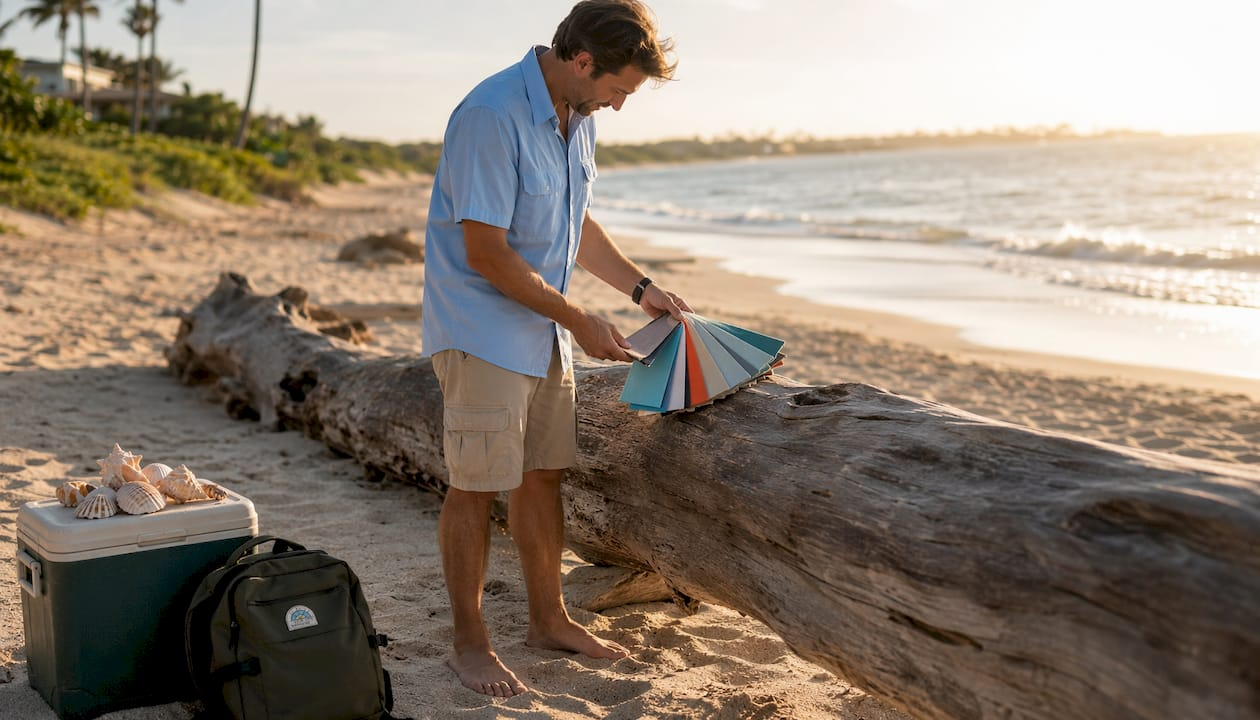
Evaluate physical samples under real conditions. Hold swatches in direct sunlight to assess color stability. Mist them with water and observe whether moisture beads or absorbs. Run a hand across the surface to judge texture. Stain-test with sunscreen or a beverage, then clean as the manufacturer recommends and note how the fabric recovers.
-
Consult a marine upholstery professional. Bring your shortlist and sample results to a fabricator or designer who specializes in marine work. Their knowledge of patterning, hardware compatibility, and fabrication techniques will refine your selection and flag any compliance gaps before the order is placed.
-
Confirm fire safety, warranty, and care requirements. Verify that fire test certificates match the exact construction to be installed, including linings and interlinings. Review warranty terms for UV fading, mildew, and staining coverage. Confirm the recommended cleaning routine and note any products the manufacturer prohibits.
Balancing comfort and durability in your fabric choice
The most common trade-off in marine upholstery is softness versus protection. Fortunately, the gap between the two has narrowed considerably as fabric technology has advanced.
Marine-grade vinyl remains the standard for exterior seating that takes constant punishment. It is fully waterproof, easy to wipe clean, and resistant to mold and mildew. The trade-off is surface temperature: vinyl heats up quickly in direct sun and can feel stiff in cooler conditions. Laminated vinyl adds reinforcing layers that improve puncture and tear resistance, making it well suited to high-traffic seating.

Solution-dyed acrylic excels where breathability and color retention matter most. The dyeing process locks pigment into the fiber before it is extruded, which is why solution-dyed acrylics outperform standard indoor/outdoor fabrics in UV resistance and colorfastness. They are the preferred choice for bimini tops, boat covers, dodgers, and exterior cushions where a softer, textile-like feel is valued alongside weather protection.
Foam-backed synthetics bridge the gap between protection and residential-level comfort. New engineered synthetics mimic the plushness of indoor furniture without sacrificing marine-grade protection, making them popular for sunpads and lounge areas on larger vessels.
Additional considerations worth building into your selection process:
- Colorfastness ratings: Solution-dyed acrylics can withstand over 1,500 hours of direct UV exposure with minimal color change. Confirm the specific rating for any fabric you are evaluating.
- Maintenance demands by fabric type: Vinyl requires only a soft cloth and mild soap for weekly cleaning. Acrylic benefits from periodic DWR (Durable Water Repellent) treatment to maintain water beading. Routine maintenance extends marine fabric life to 6–7 years or longer.
- Substrate compatibility: Beneath the fabric, structural backing should use HDPE or PVC foam rather than wood. Marine-grade polymer substrates resist moisture absorption, rot, and delamination, and they hold staples and screws securely over the life of the installation.
- Cost versus value: Solution-dyed acrylic carries a higher upfront cost than basic polyester blends, but its longer service life and lower maintenance frequency typically deliver better value over a full season cycle.
- Customization options: Marine-grade vinyl is available in a range of embossed textures and colors. Solution-dyed acrylics offer broad color palettes with patterns. Both categories support custom piping, quilting, and coordinated trim work.
Pro Tip: When evaluating samples for comfort, test them after they have been sitting in direct sun for 20 minutes. A fabric that feels pleasant in a showroom can become uncomfortably hot on a summer afternoon on the water.
Why expert consultation strengthens every marine upholstery project
Fabric selection knowledge and fabrication expertise are two different skill sets. A homeowner or interior designer who understands the fabric selection process communicates far more effectively with a professional, which directly improves the final result.
Here is what a qualified marine upholstery professional brings to the project:
- Material compliance knowledge: Professionals know which fire test certificates apply to which vessel types and gross tonnage thresholds, and they understand that a certificate issued for one curtain construction does not automatically transfer to a different lining or interlining combination.
- Fabrication technique expertise: Correct patterning, seam placement, and sewing methods determine how long an installation holds up under constant motion and weather exposure. Marine-grade UV-stabilized thread, corrosion-resistant hardware, and appropriate foam selection all require hands-on experience to specify correctly.
- Hardware and installation guidance: Stainless steel snaps, Vislon zippers, and properly sized fasteners must be matched to the substrate material. A fabricator who works regularly with HDPE and PVC foam substrates knows which fastener types maintain holding strength over time.
- Pitfall prevention: Common errors include specifying a fabric certificate that does not cover the actual installed construction, choosing a breathable acrylic for a position that requires full waterproofing, or selecting a foam backing that retains moisture rather than draining it.
- Finish quality: Professional layout and pattern matching produce a result that looks intentional and refined, rather than assembled from separate decisions made in isolation.
Final checklist and next steps for homeowners and designers
Before placing any order, run through this consolidated checklist to confirm every critical decision has been addressed.
- Review environmental exposure for each seating position: UV intensity, moisture level, and salt air contact.
- Confirm fabric type matches the application: vinyl for high-exposure exterior seating, solution-dyed acrylic for covers and cushions requiring breathability, coated polyester for demanding structural covers.
- Verify fire test certificates cover the exact construction to be installed, including all linings and interlinings.
- Confirm abrasion resistance meets the 40,000 Martindale rub minimum for commercial seating, and that pilling resistance meets ISO 12945-2 grade 4 separately.
- Evaluate physical samples under real sun, water, and stain conditions before finalizing the order.
- Consult a marine upholstery professional to review fabrication methods, hardware compatibility, and compliance documentation.
- Plan a maintenance routine: weekly gentle cleaning, periodic UV protectant application, and prompt attention to any tears or staining.
- Source fabric from a trusted supplier who provides full documentation, including care guides and warranty terms.
Beautifulwindowselgin carries a curated selection of upholstery and drapery fabrics suited to both residential and marine-adjacent projects, with design consultation support available for homeowners and interior designers working through complex fabric decisions. For premium-weight options, the designer drapery fabric collection offers high-GSM textiles that translate well to custom upholstery work requiring structure and durability.

Key takeaways
Selecting the right marine fabric requires matching technical performance standards to specific environmental conditions, then confirming fire safety, warranty, and maintenance requirements before installation.
| Point | Details |
|---|---|
| Match fabric to exposure | Use solution-dyed acrylic for UV-heavy positions; reserve vinyl for fully exposed exterior seating. |
| Meet durability standards | Commercial seating requires a minimum of 40,000 Martindale rubs and ISO 12945-2 grade 4 pilling resistance. |
| Verify fire certificates precisely | Certificates must cover the exact installed construction, including linings, not just the base fabric. |
| Plan for maintenance | Routine weekly cleaning and UV protectant application extend fabric service life to 6–7 years or longer. |
| Consult before ordering | A marine upholstery professional catches compliance gaps and fabrication errors that samples alone cannot reveal. |
Recommended
- Types of Marine Fabrics: A Practical 2026 Guide – Fabric Store in Columbia, SC | Drapery Making Services
- Tips for Selecting Upholstery Fabric: A Practical Guide – Fabric Store in Columbia, SC | Drapery Making Services
- Upholstery Fabric Types: A Practical Guide for 2026 – Fabric Store in Columbia, SC | Drapery Making Services
- Upholstery Fabric Checklist: A Practical Guide – Fabric Store in Columbia, SC | Drapery Making Services