TL;DR:
- Linen blend curtains combine natural linen with fibers like cotton or polyester to improve durability and reduce wrinkling. They maintain linen’s texture and light diffusion while offering practical benefits that pure linen lacks, making them popular in various interior settings. Proper fiber ratios, lining, and sizing are essential for optimizing their appearance and function in different room conditions.
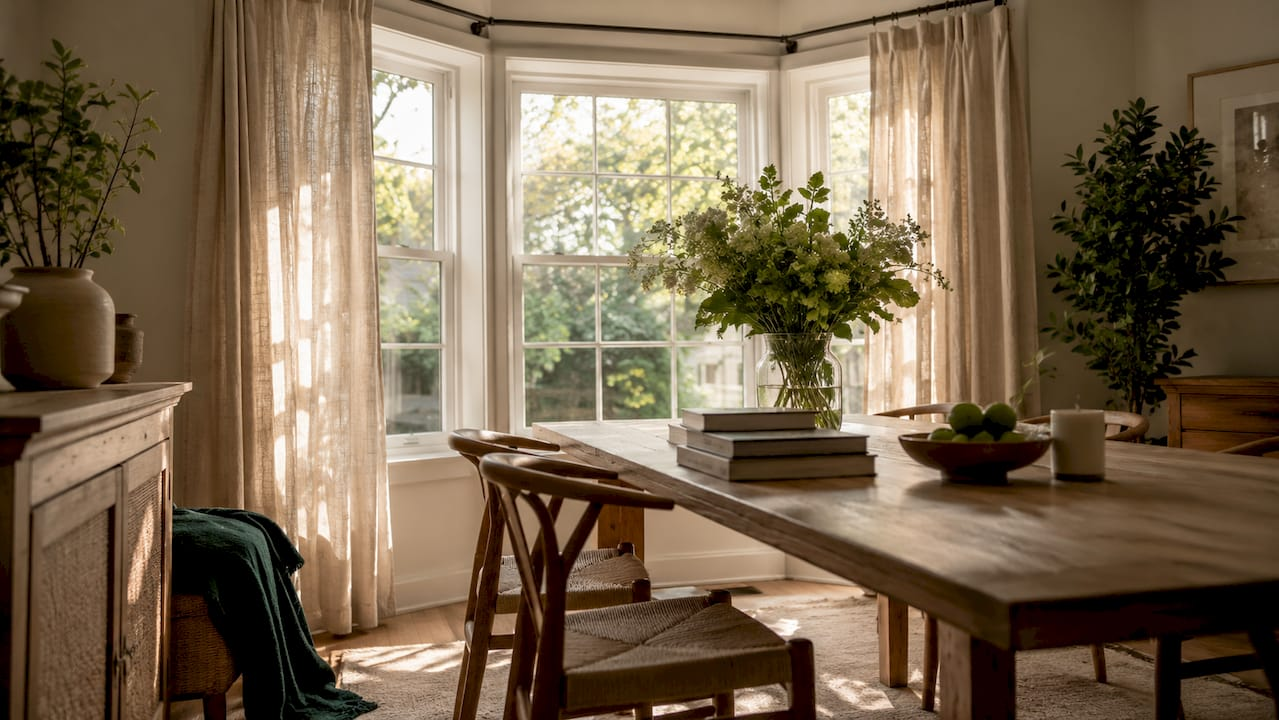
A linen blend curtain is a window treatment made from fabric that combines natural linen fibers with cotton, polyester, or other fibers to improve durability and reduce wrinkling. The blend preserves linen’s signature texture and light diffusion while adding structural stability that pure linen alone cannot deliver. For homeowners who want the relaxed elegance of natural fiber without the high maintenance, linen blend fabric is the practical answer. Beautifulwindowselgin works with these fabrics regularly and sees them consistently outperform single-fiber alternatives in real home settings.

What is a linen blend curtain, and why does it work so well?
A linen blend curtain uses a woven fabric where linen is the primary fiber, combined with at least one other fiber to correct linen’s natural weaknesses. Pure linen wrinkles easily, can feel stiff, and may shrink with washing. Blending it with cotton softens the hand feel, while adding polyester improves crease resistance and extends the fabric’s hang life. The result is a curtain that retains linen’s character while becoming easier to care for and more suited to busy, high-traffic homes.
The aesthetic benefit is equally significant. Linen’s slubby, irregular weave softens light into a diffused glow that flatters both informal and contemporary interiors. That quality carries through in a blend, so you get the warm, relaxed ambiance of natural fiber without sacrificing practicality. This is why linen blend fabric has become one of the most requested curtain fabric types among interior decorators working on residential projects.
Fiber ratios matter more than most homeowners realize. A 50/50 linen-cotton blend balances comfort and visual softness, making it ideal for bedrooms and living rooms. A linen-polyester blend favors crispness and a longer hang life, which suits dining rooms and formal spaces where a tailored look is the goal. Knowing the ratio before you buy puts you in control of the final result.
Pro Tip: Ask your fabric supplier for the exact fiber ratio before ordering. A label that simply reads “linen blend” tells you very little. The ratio determines how the curtain will drape, wrinkle, and wash.
How to choose the right linen blend curtains for your home
Choosing linen blend curtains starts with your room’s orientation. South-facing rooms receive strong, direct light for most of the day, and linen blends diffuse that light elegantly without blocking it entirely. North-facing rooms get cooler, lower-intensity light, so a denser blend or an added lining becomes necessary to maintain warmth and privacy. Matching fabric weight to light conditions is not a style preference. It is a functional decision.
Follow these steps when selecting and sizing your curtains:
- Measure your pole width first. The total fabric width for each curtain panel should be 1.5 to 2 times the pole width. A 1:1 ratio looks flat and cheap, regardless of how good the fabric is. Use the window measurement guide from Beautifulwindowselgin to get accurate numbers before ordering.
- Set the correct curtain length. Floor-length panels should hang 1 cm to 1.5 cm above the floor. This clearance prevents dust and moisture buildup at the hem, which is especially relevant in homes with pets or children.
- Choose your lining. Lining improves drape, privacy, and light control while also protecting the face fabric from UV degradation. An unlined linen blend panel will look lighter and more casual. A lined panel will hang with more weight and structure.
- Match fabric weight to the room’s function. Lighter blends work well in bedrooms and casual living spaces. Heavier blends with a higher linen content suit formal dining rooms or home offices where a more structured look is appropriate.
- Plan your installation before you order. Rod placement, bracket height, and return depth all affect how the finished curtain looks. Beautifulwindowselgin’s curtain installation guide walks through each step to avoid common amateur errors.
Pro Tip: Hang your curtain rod 4 to 6 inches above the window frame and extend it 6 to 12 inches beyond each side. This makes windows appear taller and wider, and it lets the curtain stack off the glass so light is not blocked when the panels are open.
How do linen blend curtains compare to pure linen and other fabrics?

Linen blend curtains outperform pure linen in three key areas: wrinkle resistance, durability, and ease of care. Pure linen is a beautiful fabric, but it creases heavily with use and requires careful washing. A linen-polyester blend holds its shape through regular machine washing and returns to a smooth hang without ironing. For a busy household, that difference is significant.
Durability is measurable. Fabric longevity in curtains correlates with Martindale rub count, the industry standard test for abrasion resistance. Linen blends used for curtaining can reach Martindale counts above 20,000 cycles, with heavy-duty blends reaching 100,000 cycles. Higher counts mean the fabric resists pilling and surface wear for years longer than lower-rated alternatives.
| Fabric type | Texture | Durability | Wrinkle resistance | Care ease |
|---|---|---|---|---|
| Pure linen | Natural, slubby | Moderate | Low | Requires care |
| Linen-cotton blend | Soft, natural | Good | Moderate | Machine washable |
| Linen-polyester blend | Crisp, structured | High | High | Easy, low maintenance |
| Pure cotton | Smooth, soft | Moderate | Low to moderate | Machine washable |
| Pure polyester | Uniform, synthetic | High | High | Very easy |
The key advantage of linen blends over pure polyester is aesthetic. Polyester curtains look uniform and flat. Linen blends carry the organic texture and movement that gives a room character. The blend captures the best qualities of both fiber categories without the worst of either.
- Linen blends drape more naturally than pure polyester.
- They wrinkle far less than pure linen or pure cotton.
- They hold color well and resist fading with proper lining.
- They suit a wider range of interior styles, from coastal to contemporary to traditional.
Styling and care tips for linen blend curtains
Linen blend curtains work across a wide range of color palettes, but they perform best in neutral and earth-tone schemes. Warm whites, oatmeal, sage green, dusty blue, and terracotta all complement the natural texture of linen fiber. Avoid pairing linen blend panels with very shiny or synthetic-looking textiles in the same room. The contrast reads as mismatched rather than layered.
Curtain layering adds both function and depth. Pair a sheer linen blend panel with a heavier lined panel on the same track for full light control. The sheer layer diffuses daytime light while the lined layer provides complete privacy at night. This approach also adds visual weight to the window without making the room feel heavy.
Pro Tip: When layering curtains, use a double track or a double rod system. Mounting both panels on a single rod forces them to compete for space and ruins the drape of both fabrics.
Care for linen blend curtains is straightforward, but a few rules prevent damage:
- Always check the care label before washing. Linen-cotton blends are generally machine washable on a gentle cycle. Linen-polyester blends tolerate slightly more heat.
- Wash at 30°C (86°F) or cooler to prevent shrinkage in the linen fiber component.
- Remove panels from the washer promptly and rehang them while slightly damp. The weight of the fabric pulls out most wrinkles as it dries.
- Avoid tumble drying on high heat. High heat degrades linen fibers and shortens the fabric’s life.
- Steam rather than iron when touch-up is needed. A handheld steamer is faster and gentler than a flat iron on linen blend fabric.
Quality construction matters as much as fabric choice. A well-lined, properly hemmed panel will outlast a poorly constructed one made from better fabric. Invest in the finish as much as the fiber.
Key Takeaways
Linen blend curtains deliver the natural texture and light quality of linen with the durability and low-maintenance performance that pure linen cannot match, making them the most practical choice for most homes.
| Point | Details |
|---|---|
| Fiber ratio determines performance | A 50/50 linen-cotton blend maximizes softness; linen-polyester blends add crispness and wrinkle resistance. |
| Fullness ratio is non-negotiable | Use 1.5 to 2 times the pole width in total fabric width to avoid flat, cheap-looking panels. |
| Room orientation guides fabric weight | South-facing rooms suit lighter linen blends; north-facing rooms need denser fabric or lining. |
| Lining elevates every panel | Adding a lining improves drape, privacy, UV protection, and the overall finished appearance. |
| Care preserves fabric life | Wash cool, rehang damp, and steam rather than iron to maintain texture and prevent shrinkage. |
Why linen blends have earned their place in serious interior design
I have watched homeowners choose pure linen curtains for their beauty, then replace them within two years because the fabric creased, shrank, or simply became too demanding to maintain. The appeal of pure linen is real. The practicality is not always there. Linen blends solve that problem without sacrificing the quality that makes linen worth choosing in the first place.
What I find most telling is where linen blends show up. They are not just in casual, relaxed interiors. Decorators use them in formal dining rooms, primary bedrooms, and home offices because the fabric holds its structure and its color over time. That versatility is rare. Most fabrics excel in one setting and struggle in another. A well-chosen linen blend works across the full range of residential spaces.
The trend toward natural, easy-care fabrics is not going away. Homeowners want materials that look considered and feel authentic, but they also want curtains they can wash without a trip to the dry cleaner. Linen blends sit exactly at that intersection. The fabric’s organic texture signals quality to anyone who sees it, while the blend composition handles the realities of daily life without complaint.
My honest recommendation is to prioritize the fiber ratio and the lining over the price per yard. A mid-range linen blend with proper lining and correct fullness will outperform an expensive pure linen panel that is poorly constructed. The fabric is only part of the result. The construction is the other half.
— Marrion
Premium linen blend fabrics and custom drapery at Beautifulwindowselgin
Beautifulwindowselgin carries a curated selection of designer drapery fabrics that includes linen blends suited to a range of interior styles and room conditions. Each fabric is available by the yard, with samples available so you can assess texture and drape before committing to a full order.

Custom drapery services cover sizing, lining selection, and professional installation, so the finished panels hang exactly as intended. The team at Beautifulwindowselgin provides design consultations for homeowners who want guidance on fiber ratios, fullness, and color coordination before they order. Nationwide shipping means access to premium fabric is not limited by location. For decorators and homeowners who want curtains that look professionally made and last for years, Beautifulwindowselgin is the right starting point.
FAQ
What is a linen blend curtain made of?
A linen blend curtain is made from fabric that combines natural linen fibers with cotton, polyester, or both. The blend retains linen’s texture and light diffusion while improving wrinkle resistance and durability.
Are linen blend curtains better than pure linen?
Linen blend curtains are more practical than pure linen for most homes. They wrinkle less, wash more easily, and hold their shape longer, while still delivering the natural texture and relaxed elegance of linen fiber.
How do I know what fullness ratio to use for linen blend curtains?
The total fabric width should be 1.5 to 2 times the curtain pole width. Using a 1:1 ratio produces flat, thin-looking panels that undermine even high-quality fabric.
Do linen blend curtains need a lining?
Lining is strongly recommended for linen blend curtains. It improves drape, adds privacy, protects the face fabric from UV damage, and gives the panel a more finished, structured appearance.
How should I wash linen blend curtains?
Wash linen blend curtains on a gentle cycle at 30°C (86°F) or cooler, then rehang them while slightly damp. The fabric’s weight removes most wrinkles as it dries, and steaming handles any remaining creases.
Recommended
- 7 Essential Curtain Fabric Types List for Homeowners – Shop Designer Fabrics by the Yard | Curtains & Drapery
- Trending curtain fabrics for stylish windows in 2026 – Fabric Store in Columbia, SC | Drapery Making Services
- Curtain lining explained: Improve comfort, style, efficiency – Fabric Store in Columbia, SC | Drapery Making Services
- Linen curtain sewing guide for personalized decor 2026 – Fabric Store in Columbia, SC | Drapery Making Services