The essential decorating with textiles list for every room
The most effective way to refresh a room is not a coat of paint. It is fabric. A well-chosen textile adds warmth, color, and tactile depth that hard surfaces simply cannot replicate. Whether you are starting from scratch or refining an existing space, this curated list covers the core textile items that interior designers reach for first, along with the decorating ideas that make them work.
The essential textile categories used in home decor include:
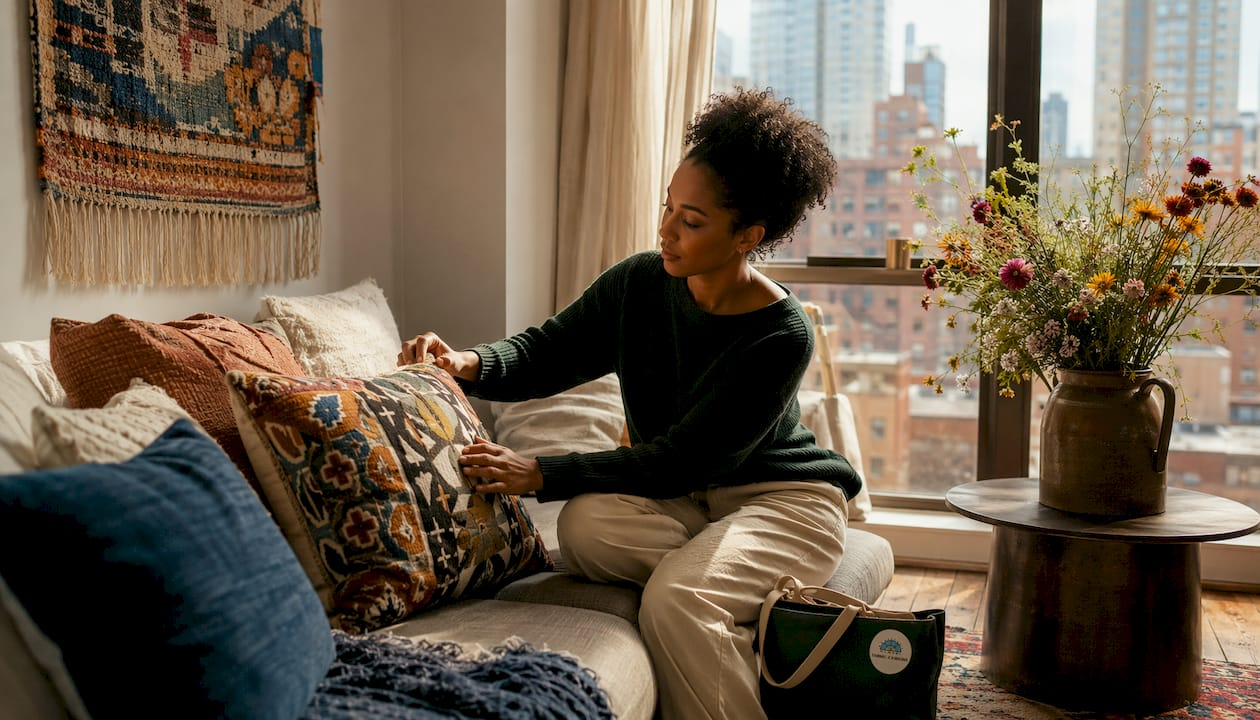
- Throw pillows — the fastest way to introduce color, pattern, and texture to a sofa or bed without a major investment
- Blankets and throws — draped over an armchair or folded at the foot of a bed, they add a lived-in softness that styled rooms often lack
- Wall tapestries — large-scale woven pieces that function as art while absorbing sound and warming an empty wall
- Roman shades — a fabric window treatment that delivers the softness of cloth with a clean, structured silhouette
- Linen curtains — lightweight panels that filter natural light beautifully, lending an airy, relaxed quality to any room
- Table runners — a simple length of fabric that adds color and texture to a dining table or kitchen island with minimal effort
- Reupholstered accent chairs — updating a chair’s fabric is one of the highest-impact changes you can make to a room’s personality
Each of these items serves both a functional and an aesthetic role. Roman shades control light while maintaining a tailored look. Linen curtains soften a window without blocking the view. Throw pillows let you test a new color direction before committing to larger purchases. Together, they form the foundation of a thoughtful decorative textile approach that feels collected rather than assembled.
Table of Contents
- Creative ways to display textiles in your rooms
- What fabric patterns work best for home textiles?
- How to layer and coordinate textiles like a professional
- Beautifulwindowselgin’s premium textiles and custom drapery
- How to choose textile colors that match your room’s theme
- Choosing the right textile materials for each room
- How to mix and match textiles without clashing
- Beautifulwindowselgin brings premium fabric to your home
- Key Takeaways
Creative ways to display textiles in your rooms
Textiles do not have to stay on furniture. Some of the most striking uses involve treating fabric as art, architectural detail, or functional replacement for conventional decor.
- Frame artisan textiles — a scrap of embroidered cloth, a vintage block-printed remnant, or a piece of handwoven fabric looks striking inside a simple frame. Framing textile art recontextualizes the material entirely, turning something tactile into a wall piece with real presence.
- Hang tapestries loosely — an expansive tapestry hung without tension above a sofa or bed reads as relaxed and organic rather than formal. Interior designer James Thurstan Waterworth notes they work anywhere you might hang framed artwork: above beds, behind seating areas, in hallways.
- Drape throws with intention — a throw folded neatly over an armrest adds structure; casually tossed, it brings warmth. The texture of the throw should complement the upholstery beneath it, not compete.
- Use curtain rods placed high — mounting rods higher than the window frame creates the visual impression of taller ceilings and larger windows, one of the most reliable spatial tricks in interior decorating.
- Repurpose scarves as table runners — a colorful plaid scarf or printed silk length works beautifully as a table runner, especially for seasonal tablescapes.
- Layer rugs — placing a smaller, more decorative rug over a plain jute or sisal base gives the floor depth and pattern without the cost of a single large statement rug.
- Install fabric as wallpaper — lightweight cotton cut to size and applied with liquid starch creates a textile wall covering that is removable and far less expensive than premium wallpaper.
Pro Tip: When hanging a rug or throw on the wall, opt for a flatweave textile rather than a heavy-pile option. Lighter weaves sit naturally against the wall, require minimal hardware, and avoid the visually dominant effect that thicker rugs can create.
What fabric patterns work best for home textiles?
Pattern selection shapes a room’s mood more than most decorators realize. The right pattern can make a small room feel larger, a formal space feel warmer, or a neutral palette feel intentional rather than plain.
| Pattern | Visual Character | Best Used For |
|---|---|---|
| Stripes | Directional, graphic, elongating | Curtains, upholstery, table runners |
| Florals | Soft, organic, romantic | Throw pillows, bedding, accent chairs |
| Plaid / Checked | Structured, casual, grounded | Blankets, throws, kitchen textiles |
| Brocade | Rich, formal, dimensional | Drapery, decorative pillows, headboards |
| Basketweave | Textured, neutral, tactile | Upholstery, Roman shades, area rugs |
| Abstract | Contemporary, expressive, versatile | Wall hangings, accent pillows, table runners |
Popular fabric patterns recognized by interior decorators include stripes, florals, basketweave, brocade, checked patterns, and abstracts. Each carries a distinct mood. Brocade reads formal and dimensional, making it well-suited for custom drapery in living and dining rooms. Basketweave offers a neutral, tactile quality that works across nearly every room style. Abstracts give contemporary spaces a point of visual interest without the rigidity of geometric repeats.
Pattern ideas by decorating theme:
- Coastal or relaxed — wide stripes, linen weaves, natural basketweave
- Traditional or formal — brocade, damask, classic florals
- Bohemian or eclectic — ikat, mudcloth, abstract weaves, patchwork
- Minimalist or Scandinavian — subtle checks, fine-grain weaves, tone-on-tone textures
- Farmhouse or cottage — plaid, ticking stripe, simple florals
How to layer and coordinate textiles like a professional
Layering is where textile decorating moves from functional to genuinely beautiful. The goal is depth and softness, not matching sets.

Interior designer Nicholas Hodson Taylor puts it plainly:
That philosophy applies directly to layering. Mixing a smooth linen with a chunky knit, or a matte cotton with a satin-finish pillow, creates the kind of contrast that makes a room feel considered. Deliberate texture contrast, such as pairing shiny and matte textiles, avoids chaotic decor and lifts a room’s overall character. The key is coordinating undertones: warm-toned fabrics (cream, amber, rust) work together naturally, as do cool-toned ones (slate, ivory, soft blue). Mixing warm and cool undertones in the same room tends to feel unresolved.
When layering multiple textiles on a sofa or bed, vary the scale of patterns. A large-scale floral pillow pairs well with a fine-stripe throw and a solid-color blanket. Three bold patterns at the same scale will compete rather than complement. Weight matters too: place heavier, more structured textiles as the base layer and lighter, more fluid ones on top so each piece falls naturally.
Pro Tip: Start with a cohesive color family of one neutral and two to three accent tones. Repeat those colors across different patterns and textures throughout the room. Repetition is what makes a layered textile scheme feel intentional rather than accidental.
Beautifulwindowselgin’s premium textiles and custom drapery
Beautifulwindowselgin offers a curated selection of designer drapery fabrics that covers the full range of home textile needs, from window treatments to upholstery and decorative accents. The fabric range includes jacquard satin with a refined woven pattern and satin finish, embroidered textiles suited for accent pillows and drapery panels, and durable upholstery materials designed for reupholstered chairs and seating.
“Layering in textiles brings warmth, tactility, and narrative, making an interior feel collected and personal, rather than overly designed.” — Interior designer James Thurstan Waterworth
Beautifulwindowselgin’s custom drapery services include personalized design consultations and professional installation guidance, supporting homeowners and interior designers through every stage of a window treatment project. Fabrics are sold by the yard with nationwide shipping, making it practical for clients across the country to access premium materials without a local specialty store.
Key offerings and service features:
- Jacquard satin, embroidered, and upholstery textiles sold by the yard
- Custom drapery design with professional installation guidance
- Personalized consultations for homeowners, designers, and drapery workrooms
- Fabric samples available before ordering
- Nationwide shipping from Columbia, SC
How to choose textile colors that match your room’s theme
Color selection in textiles follows the same logic as any other design element: start with the room’s fixed elements and work outward. The wall color, flooring, and largest furniture piece set the palette. Textiles then either reinforce that palette or introduce deliberate contrast.

Warm undertones in fabric (cream, terracotta, gold, rust) suit rooms with wood floors, warm-toned walls, or traditional furniture. Cool undertones (soft blue, gray, ivory, sage) work better in rooms with white walls, stone floors, or contemporary furnishings. Mixing the two is possible, but it requires one tone to dominate clearly.
A practical approach: choose one neutral textile as the anchor (a natural linen curtain, a cream area rug) and build accent textiles around two or three colors pulled from that anchor. This keeps the room cohesive even when patterns and textures vary. Seasonal adjustments are straightforward within this framework: swap throw pillows and blankets for deeper tones in fall and winter, lighter ones in spring and summer, without disrupting the room’s core palette.
Choosing the right textile materials for each room
Not every fabric belongs in every room. Durability, maintenance, and moisture resistance all factor into material selection, and the right choice varies significantly by space.
Living room: Upholstery fabrics need to handle regular use. Tightly woven materials like jacquard, boucle, and performance velvet resist wear and are easier to clean than loosely woven alternatives. For upholstered furniture, look for fabrics with a high rub count, which indicates abrasion resistance.
Bedroom: Softness and breathability take priority. Linen and cotton both soften with each wash, making them well-suited for bedding and curtains. Linen curtains filter light without blocking it, which suits bedrooms where morning light is welcome.
Kitchen and dining room: Washability is the primary concern. Table runners, chair cushions, and kitchen textiles should be machine-washable or at minimum spot-cleanable. Natural cotton and linen work well here; delicate embroidered or dry-clean-only fabrics are better reserved for lower-traffic spaces.
Bathroom: Moisture-resistant and quick-drying materials are the standard. Cotton terry and tightly woven linen handle humidity without deteriorating quickly. Decorative textiles in bathrooms, such as a framed fabric piece or a small woven wall hanging, should be kept away from direct water exposure.
How to mix and match textiles without clashing
The most common mistake in textile decorating is treating “mix and match” as permission to combine anything. Successful mixing follows a few clear principles that keep a room from feeling chaotic.
Vary scale, not just pattern. A large-scale botanical print, a medium-scale stripe, and a small-scale texture (such as a woven or ribbed fabric) work together because each occupies a different visual weight. Three patterns at the same scale will compete. Stick to a shared color thread: even very different patterns read as cohesive when they share at least one color. A plaid throw, a floral pillow, and a striped rug can coexist if all three carry the same shade of navy or rust.
Limit bold patterns to one or two pieces per room. Let the remaining textiles be solid, subtly textured, or tone-on-tone. This gives the eye a place to rest and makes the statement pieces more effective. For guidance on building a harmonious textile scheme, the principle of vignette styling applies directly: group textiles by color family and texture contrast rather than by matching pattern sets.
Beautifulwindowselgin brings premium fabric to your home
For homeowners who want quality materials without the guesswork of sourcing fabric independently, Beautifulwindowselgin offers a direct path to professional-grade textiles and window treatment expertise. The selection of designer drapery and upholstery fabrics covers the full range of home decorating needs, from custom Roman shades and linen curtains to reupholstery projects and decorative accents.

What sets Beautifulwindowselgin apart from a general fabric retailer is the combination of curated fabric quality and custom drapery service under one roof. Homeowners receive personalized consultation support, fabric samples before committing to a full order, and professional installation guidance, all with nationwide shipping from Columbia, SC. Whether you are sourcing jacquard satin for a formal dining room drapery project or selecting upholstery fabric for an accent chair refresh, the expertise and material quality are there to support the project from selection through installation. Browse the full fabric collection at Beautifulwindowselgin and request samples to get started.
Key Takeaways
Layering textiles with deliberate texture contrast and a shared color palette is the single most reliable method for creating a cohesive, professionally styled interior.
| Point | Details |
|---|---|
| Start with the core seven | Throw pillows, blankets, tapestries, Roman shades, linen curtains, table runners, and reupholstered chairs form the foundation of any textile decorating plan. |
| Vary scale when mixing patterns | Combine large, medium, and small-scale patterns so each occupies a different visual weight and the room reads as cohesive. |
| Match materials to room demands | Use durable, tightly woven fabrics in high-traffic areas and soft, breathable materials like linen and cotton in bedrooms and dining spaces. |
| Hang rods above the frame | Mounting curtain rods higher than the window frame visually elongates ceilings and makes rooms feel larger. |
| Beautifulwindowselgin for sourcing | Beautifulwindowselgin offers jacquard satin, embroidered, and upholstery fabrics by the yard with custom drapery services and nationwide shipping. |
Recommended
- Decorative Textiles: Transform Your Space with Style – Fabric Store in Columbia, SC | Drapery Making Services
- Decorative Textile Tips for Stylish Home Interiors – Fabric Store in Columbia, SC | Drapery Making Services
- Decorative Textile Selection Process: A 2026 Home Guide – Fabric Store in Columbia, SC | Drapery Making Services
- Examples of Decorative Textiles for Home Interiors – Fabric Store in Columbia, SC | Drapery Making Services